Traffic Ticket Scams: Avoid Falling Victim to a Fake Parking Ticket

April 7, 2022
•
4 min read
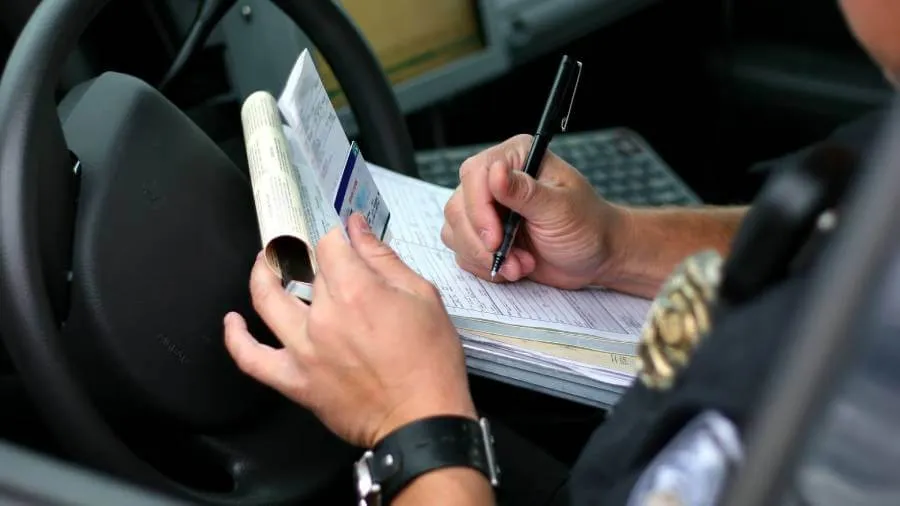
Police officer writing a traffic ticket
Obtén el asesoramiento legal que necesitas sin pagar tarifas por hora
Explora los planes

New scam demands cash via bogus traffic tickets

Picture this: you receive a traffic ticket in the mail with a photo of your license plate—but you don’t remember ever running a red light? In fact, you don’t recall being at the stoplight reported on the date of the ticket. Something doesn’t seem right.

You're correct; something is off. Multiple victims have recently received legitimately appearing traffic tickets in the mail claiming they ran a red light and demanding fines in payment. What’s most concerning is several people have reported receiving photos of their license plates.

What should you do if you receive a letter like this? How do you avoid this from happening to you? Let’s break it down.

Six things to do to avoid falling victim to a traffic ticket scam

How do you know if a ticket you received in the mail is real or not? Here are six things to do if you receive a suspicious ticket:

1. Read the fine print

Some people were able to spot the scam simply by checking if all the data on the ticket was factual. For example, one woman said the ticket she received had a date of “February 30th”, which is not an actual date.

Ask yourself if the ticket is plausible. Were you at the location reported, and did you run a red light? Were you even driving at that time? Pausing and investigating the situation can help prevent you from falling prey to a scammer’s trap.

2. Call the city

Another thing to do when you receive a questionable letter is to call the city—but do not call the number listed on the ticket. Do a quick search online to find your city’s official police department website and dial the number listed to confirm the ticket’s validity.

3. Don’t click on any links

Pause and investigate before you go to any link the ticket directs you to. If the ticket is fake, scammers can trick you into visiting a link where they can access your personal information. Once they access that information, they can potentially steal your money or even your identity.

4. Don’t give out your personal info

Do not fill out any of your credit card data, address or other sensitive information before you do some digging. Legitimate law enforcement will not require you to give banking or personal information over the phone.

5. Ensure you’re paying tickets on an official website

Only pay tickets on websites that begin with HTTPS—the “s” signifies the website is secure and should be included in any website that requires a monetary purchase.

6. Get legal support

Traffic ticket scams are on the rise, and criminals are always finding new ways to craft the art of stealing personal information from innocent people. It’s critical to protect you and your family’s privacy and get dedicated legal support to fight cons like this. You can get the consultation and defense you need to ensure your private information stays private with a lawyer by your side.

Combat traffic ticket scammers with a lawyer by your side

Scams are not always easy to spot, especially in today’s digital world. Get legal support and consultation to defend yourself in court and fight criminals from stealing your bottom line.‍

Obtén las respuestas que necesitas, cuando las necesitas

Ver planes
Comparte este artículo
​
Label
​
Label
​
Label
​
Label

Artículos relacionados

Una persona firma un documento sobre una mesa.
7 min de lectura
¿Cuánto cuesta un poder notarial en Estados Unidos?

¿Necesitas un poder notarial pero te preocupa el costo? Es natural preocuparse por pagar servicios legales, pero es importante no quedarse atrapado/a en dólares y centavos. Después de todo, no le puedes poner precio a la tranquilidad, y eso es exactamente lo que ofrece un poder notarial.

•
7 min de lectura
Dos personas sentadas separadas en un sofá.
9 min de lectura
¿Cuánto cuesta un divorcio en Estados Unidos? Una guía clara

En Estados Unidos, un divorcio sin oposición generalmente cuesta al menos $1,500, mientras que un divorcio con oposición puede empezar en $5,000 y superar los $20,000 en casos complejos. El costo total depende de los honorarios de abogados, los costos judiciales y el nivel de conflicto entre los cónyuges.

•
9 min de lectura
Una pareja revisa juntos un documento antes del matrimonio.
10 min de lectura
¿Qué es un contrato prenupcial? ¿Cómo entenderlos?

A veces la gente tiene reacciones emocionales fuertes a la palabra "prenupcial" porque sienten que su pareja no confía en ellos. Pero un contrato prenupcial trata de establecer confianza y justicia. Puede ser una forma prudente y cariñosa de comenzar un matrimonio. Un contrato prenupcial es una manera en que dos personas resuelven cómo manejarán el dinero y los bienes antes de decir "acepto".

•
10 min de lectura
Una mujer sentada con su laptop y un documento, hablando por teléfono.
10 min de lectura
¿Cómo hacer un testamento y aclarar tus últimos deseos?

La mayoría de nosotros sabemos que deberíamos tener un testamento. Simplemente seguimos encontrando razones para posponerlo. Si eso te suena familiar, no estás solo/a. Sigue leyendo para aprender qué puedes hacer al respecto.

•
10 min de lectura
Dos miembros de la familia, una mayor y una más joven, comparten un momento juntas.
9 min de lectura
¿Qué es un fideicomiso familiar? Tipos clave y cómo crear uno

Planificar el futuro de tu familia toma tiempo y reflexión. Una herramienta que puede ayudar es el fideicomiso familiar: un arreglo legal que te permite decidir cómo se administra y se comparte tu propiedad con las personas que te importan.

•
9 min de lectura
Una pareja mira una laptop juntos con profunda concentración.
8 min de lectura
¿Cómo divorciarse en Estados Unidos? Una explicación del proceso

Decidir tramitar el divorcio ya es bastante difícil sin tener que preguntarte si estás llenando el formulario correcto. Cada estado maneja el proceso de manera un poco distinta, y es normal sentir dudas acerca de dónde empezar. Reunimos información sobre lo que puede suceder durante el trámite, incluyendo perspectivas de una abogada de verdad, para darte más claridad en este camino.

•
8 min de lectura
Dos personas sentadas separadas en un sofá.
11 min de lectura
¿Cómo prepararse para un proceso de divorcio?

Prepararse para un divorcio implica reunir documentos financieros y personales, hacer un presupuesto de tus gastos mensuales, asegurar tus cuentas digitales e inventariar tus bienes. También es importante decidir qué tipo de divorcio se adapta a tu situación y consultar con un abogado antes de presentar la petición para proteger tus derechos.

•
11 min de lectura
Un abogado a medio argumento en una sala del tribunal con paneles de madera.
13 min de lectura
¿Qué tipo de abogado necesito? 11 situaciones y cómo obtener ayuda

Saber qué tipo de abogado necesitas depende del asunto legal que enfrentas: derecho de familia para divorcio o custodia, planificación patrimonial para testamentos, derecho laboral para conflictos en el trabajo, derecho tributario para impuestos, entre otras áreas. Consultar con un abogado de práctica general o una firma proveedora de LegalShield te puede ayudar a identificar la especialidad correcta.

•
13 min de lectura
*See your plan contract for details. Additional fees, limitations, and waiting periods may apply.