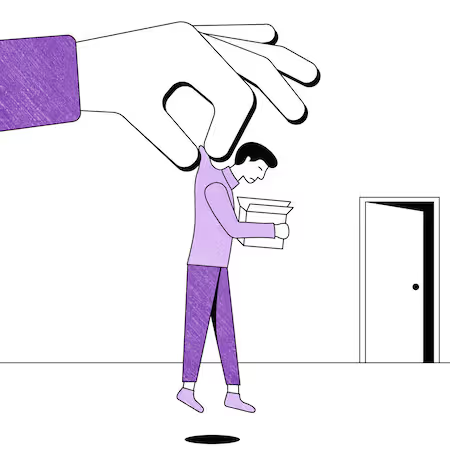
Employees are sometimes wrongfully terminated from their jobs. This can happen for a number of reasons, such as discrimination, retaliation, or simply because the employer wants to get rid of the employee. If you have been wrongfully fired from your job, there are a few things you can do to protect yourself.
In this chapter, we discuss things you need to know about wrongful termination and how you can hire a lawyer to represent you if your case has merit.
What is wrongful termination?
Wrongful termination is the term for when an employee is fired for an illegal reason. There are many different ways that an employer can wrongfully terminate an employee. The most common is when the firing is in violation of federal or state law.This could include terminating an employee because of their race, gender, religion, or disability. It could also include firing an employee in retaliation for filing a complaint against the company or testifying in a lawsuit.
For example, if an employee complains of sexual harassment and is then fired, that would be considered a wrongful termination.
What are the different types of wrongful termination?
Wrongful termination can entail firing an employee for no reason to discriminating against their religion. There are two types of wrongful termination under the law:
Discharge in violation of public policy
This type of wrongful termination occurs when an employee is fired for a reason that goes against the public good.For example, if an employee is fired because they refused to do something illegal, such as commit fraud or violate safety regulations, that would be a violation of public policy.
In some states, employees are also protected from being fired if they take time off to serve on a jury or vote.
Discharge in violation of employment agreement
The second type of wrongful termination occurs when an employee is fired in violation of their employment contract.For example, if an employee has a written contract that states they can only be fired for cause, and they are then fired without cause, that would be a breach of contract.Similarly, if an employee or independent contractor is promised a certain amount of severance pay in their contract and they are not given that severance pay when they are fired, that would also be a breach of contract.
What are your rights as a terminated employee?
If you have been wrongfully terminated, you may be able to file a lawsuit against your former employer.You may also be entitled to receive back pay, or the wages you would have earned had you not been wrongfully terminated. In some cases, you may also be awarded damages for emotional distress or punitive damages.If you believe that you’ve been wrongfully terminated, it’s important to speak with an employment lawyer who can evaluate your case and help you determine the best course of action.
A lawyer can also help negotiate a severance package.
How do you respond to wrongful termination?
The way you respond to a wrongful termination claim can make or break it. Here are some steps you should consider immediately once you decide to file a claim.
Gather documentation
First, start gathering all the documentation you can that will support your claim. This could include performance reviews, emails, text messages, or any other type of communication between you and your employer.You should also save any correspondence that shows you were treated differently than other employees. For example, if you have an email from your boss praising your work but then you are suddenly fired without cause, that could be helpful evidence in your case.It’s important to gather this evidence as soon as possible because it may be deleted or destroyed once you file a claim.
Do research
The next step is to do your research and find out everything you can about wrongful termination law. This includes understanding the different types of wrongful termination, as well as the statute of limitations in the state where you live.
You should also research if your company has any policies or procedures or employees who have been wrongfully terminated. For example, some companies have an appeals or arbitration process you can go through before filing a lawsuit.
Connect with a lawyer
The third step is to connect with an experienced employment lawyer who can help you navigate the process and protect your rights.A lawyer can also help you determine whether you have a valid claim and what kind of damages you may be entitled to.It’s important that you do not sign any documents or agree to anything without first consulting with a lawyer. Your employer may try to get you to sign a release in exchange for a severance package, but this could waive your right to file a lawsuit.
You should also avoid speaking about your case on social media or with anyone other than your lawyer. Anything you say can be used against you in court, so it’s important to be careful about what information you share.Lastly, don’t speak to anyone from your old employer without having a lawyer present. If they reach out to you, let them know that you have retained a lawyer and that any communication should go through your employment lawyer.
Hire a lawyer to protect your employment rights
Wrongful termination can be a stressful, emotional experience.Wrongful termination claims can be complicated and difficult to prove, but if you have strong evidence, you may be able to get the justice and compensation you deserve. To increase your chances of success, get help an employment lawyer through one LegalShield’s personal legal plans.