
Co-signing Your Adult Child's Lease: A Parent's Guide


Get the legal advice you need without the hourly legal fees
In this article, we're going to discuss:
- When would a parent need to co-sign a lease for their adult child?
- What does it mean to co-sign vs. guarantee a lease?
- What are some legal issues with co-signing or guaranteeing a lease for an adult child?
- What are a parent’s rights on a lease if they co-signed with their adult child?
- Strategies to protect yourself when co-signing
- Alternatives to co-signing a lease
- Get legal guidance for lease agreements
Let's get started!
______________________________________________________________________________________
Your 22-year-old just landed their dream job and found the perfect apartment—there's just one tiny catch. The landlord wants YOU to sign on the dotted line too.
Sound familiar? You're not alone. Millions of parents face this exact scenario every year, caught between wanting to support their adult child's independence and protecting their own financial future. One signature could either launch your child's successful rental journey or potentially cost you thousands in unexpected expenses. Co-signing a lease comes with significant legal and financial implications that every parent should understand before putting pen to paper.
We've asked LegalShield provider lawyer Mike Fiffik with Fiffik Law Group, PC, to weigh in on this complex topic. Fiffik has offered some great insight to help you understand the details of co-signing or guaranteeing your adult child's lease. After reading this article, you should be able to start the lease process with more confidence and peace of mind!
When would a parent need to co-sign a lease for their adult child?
Several common scenarios lead parents to consider co-signing their adult child's rental agreement. Understanding these situations helps you recognize when your support might be genuinely necessary versus when alternative solutions could work better.
Recent college graduates
Recent college graduates often face the classic catch-22 of rental applications:
- Limited credit history despite responsible financial behavior during college
- Entry-level salaries that don't meet the typical 3x rent requirement
- Student loan debt that affects debt-to-income ratios
- Lack of rental references from previous independent living situations
Most property managers require tenants to earn at least three times the monthly rent, which can be challenging for entry-level professionals just starting their careers.
Students transitioning to off-campus housing
Students moving from dorms to independent housing frequently need parental support:
- Part-time income that doesn't meet full-time salary requirements
- Seasonal employment that creates inconsistent income documentation
- Academic schedules that limit earning potential
- Competition with working professionals in desirable rental markets
Even working students may not have sufficient documented income or established credit scores to qualify independently for quality housing near their campus.
Young adults with limited credit history
Building credit takes time, and young adults often struggle with:
- Thin credit files with few reporting accounts
- No credit card history or limited credit card usage
- Lack of installment loans like car payments or student loans
- No previous rental history to demonstrate payment reliability
Without a track record of consistent payments on credit cards, loans, or previous rentals, they may struggle to demonstrate financial reliability to potential landlords.
Competitive rental markets
In major metropolitan areas, market conditions often require additional security:
- High demand properties where co-signers become standard practice
- Premium locations with stricter qualification requirements
- Luxury amenities that command higher security standards
- Limited inventory that gives landlords more leverage in tenant selection
In these situations, having a co-signer can make the difference between securing a desired apartment and continuing an extended, frustrating search.
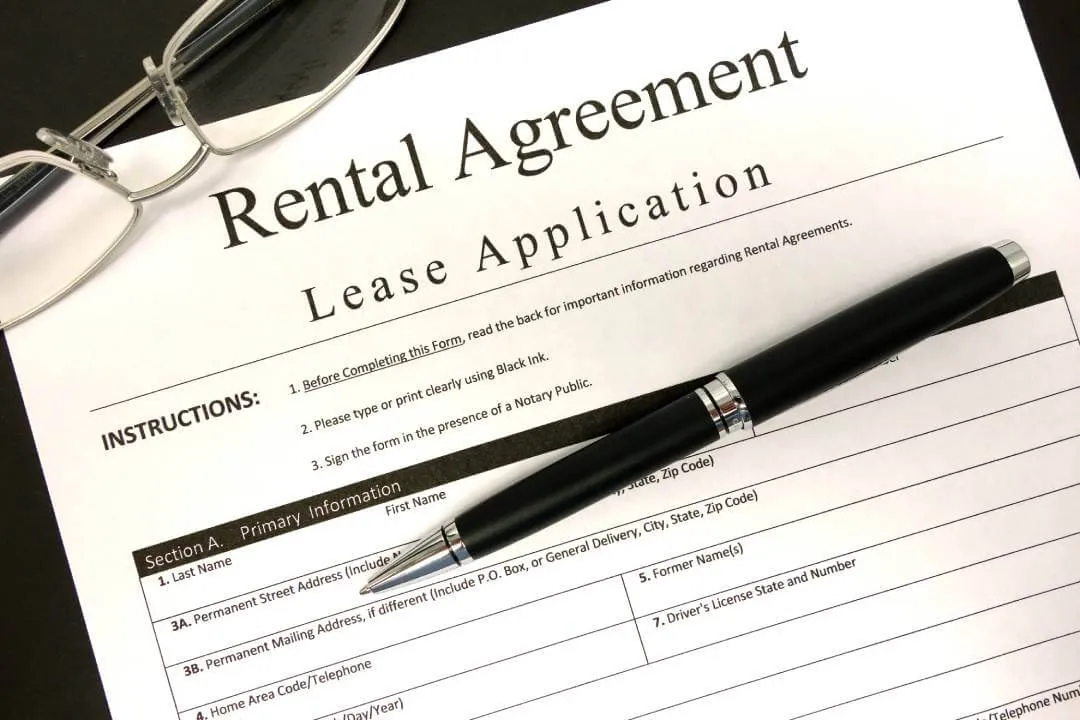
What does it mean to co-sign vs. guarantee a lease?
Understanding the distinction between co-signing and guaranteeing a lease is crucial, as these arrangements carry different levels of responsibility and legal exposure. The terminology might seem similar, but the legal implications can be dramatically different.
Co-signing a lease
When you co-sign a lease, you become a joint tenant with equal responsibility for all lease obligations:
Legal standing:
- Joint tenant status with the same rights and responsibilities as your child
- Equal liability for rent payments, property damage, and lease violations
- Shared legal obligations for the entire lease term
- Potential occupancy rights depending on state laws and specific lease terms
Financial responsibility:
- Full rent obligation if your child cannot or will not pay
- Property damage liability beyond normal wear and tear
- Lease violation consequences including potential eviction proceedings
- Additional fees such as late charges, legal costs, and court fees
You'll want to ask an experienced lawyer for help understanding your specific rights and responsibilities with a co-signed lease, as these can vary significantly by jurisdiction.
Guaranteeing a lease
As a guarantor, you serve as a financial backstop without becoming a tenant yourself:
Legal position:
- Financial guarantor only without tenant rights or status
- Monetary responsibility for rent and damages
- No occupancy rights to the rental property
- Limited involvement in day-to-day rental decisions
Financial obligations:
- Rent payment guarantee if the primary tenant defaults
- Damage cost coverage beyond security deposit amounts
- Full financial liability without property access rights
- Potential legal action from landlords seeking payment
Both arrangements make you legally responsible for the full lease term, which could span 12 months or longer. The total financial exposure often ranges from $12,000 to $30,000 or more, depending on the rental amount and lease duration. Again, before you sign or guarantee a lease with your child, it's essential that you ask a lawyer for advice first.
What are some legal issues with co-signing or guaranteeing a lease for an adult child?
Co-signing or guaranteeing a lease creates several legal vulnerabilities that parents should carefully consider before committing. These risks extend far beyond simple rent payments and can impact your financial stability for years.
Primary liability concerns
Immediate financial exposure:
"If your name is on the dotted line, you're on the hook," explains LegalShield provider lawyer Mike Fiffik, managing partner of Fiffik Law Group, PC. "If your child defaults on the lease, the landlord can sue you and is under no obligation to sue your child and collect from them first. You're not the last to pay; you could be the first to pay."
This means landlords can pursue you immediately for:
- Unpaid rent from the first missed payment
- Property damage costs beyond normal wear and tear
- Legal fees and court costs in collection actions
- Additional charges like late fees and lease violation penalties
Your assets become vulnerable to collection efforts:
- Bank account garnishment of wages and savings
- Property liens on real estate you own
- Asset seizure through court-ordered collection actions
- Investment account attachment for debt satisfaction
Credit score impact
Long-term financial consequences:
Late payments or defaults will appear on your credit report, potentially affecting:
- Mortgage applications and interest rate qualifications
- Credit card approvals and credit limit determinations
- Auto loan rates and financing options
- Employment opportunities in credit-sensitive industries
- Insurance premiums that factor credit scores into pricing
Even if your child eventually catches up on payments, the negative marks may remain on your credit history for up to seven years, impacting major financial decisions throughout that period.
Limited control with full responsibility
The authority gap:
Despite bearing full financial responsibility, co-signers and guarantors typically have no legal authority to make decisions about the rental property:
What you can't control:
- Lease termination decisions or early termination negotiations
- Roommate approval or removal from the property
- Maintenance requests or repair authorization
- Property modifications or improvement decisions
- Subletting arrangements or temporary housing situations
What you're responsible for:
- All financial obligations regardless of your input level
- Property damage caused by your child or their guests
- Lease violations including noise complaints or unauthorized pets
- Legal consequences of any lease-breaking activities
Automatic renewal clauses
Extended commitment risks:
Many leases include automatic renewal provisions that could extend your financial obligation beyond the initial term:
- Month-to-month conversions that continue indefinitely
- Annual renewal assumptions without explicit re-authorization
- Rate increase acceptance through passive renewal
- Extended guarantee periods beyond your intended commitment
Without careful attention to lease language and renewal procedures, you might find yourself committed for additional months or years without actively agreeing to the extension.

What are a parent’s rights on a lease if they co-signed with their adult child?
Your rights as a co-signer or guarantor depend heavily on your specific arrangement and state laws, but there are some general principles to understand. Knowing these rights helps you make informed decisions and protect your interests throughout the lease term.
Access and occupancy rights
Co-signer rights: Co-signers typically have legal rights to occupy the property, since they're considered tenants under the lease:
- Legal occupancy rights equal to the primary tenant
- Property access during reasonable hours with proper notice
- Shared decision-making on certain lease-related matters
- Equal standing in landlord communications and disputes
However, exercising these rights could create family tensions and practical complications. Practice courtesy and common sense when deciding how often you want to visit your rental property.
Guarantor limitations: Guarantors usually have no occupancy rights and face significant restrictions:
- No legal right to enter the property without permission
- No decision-making authority over property use or modifications
- Limited communication rights with landlords on non-financial matters
- Exclusion from day-to-day rental decisions
Guarantors cannot legally enter the property without permission from both the primary tenant and landlord.
Information and communication rights
Essential notification requirements:
The lease should establish your right to receive copies of all notices sent to your child:
- Late payment warnings that allow early intervention
- Lease violation notices for prompt problem resolution
- Renewal information and deadline notifications
- Property inspection results and required repairs
- Legal action notices including eviction proceedings
This early warning system allows you to address problems before they escalate into expensive legal or financial issues.
Limited decision-making authority
Authority restrictions:
Despite financial responsibility, co-signers and guarantors typically cannot make unilateral decisions about the lease:
Prohibited actions:
- Lease termination without primary tenant agreement
- Subletting approval or roommate arrangements
- Repair authorization beyond emergency situations
- Property modification decisions or improvements
- Rent negotiation or payment arrangement changes
Required cooperation: All major lease decisions typically require involvement from your child, yourself (if applicable), and the landlord to be legally valid.
Damage assessment participation
Property protection rights:
You may have rights to participate in move-out inspections and dispute damage charges:
- Inspection attendance during move-out walk-throughs
- Damage assessment input and dispute resolution
- Repair cost negotiation for charges beyond normal wear and tear
- Security deposit return discussions and calculations
This participation becomes particularly important if you're financially responsible for property repairs beyond normal wear and tear.
Strategies to protect yourself when co-signing
Smart parents can take several proactive steps to minimize risks while still supporting their adult child's housing needs. These strategies help maintain family relationships while protecting your financial interests.
Negotiate protective terms
Limit your liability:
"Try and limit the scope of your guarantee," advises Fiffik. "If the landlord is willing to negotiate (some will not), suggest that your guarantee 'sunsets' after your child makes six months of payments in a timely fashion. You could also suggest a maximum dollar value of your guarantee (maybe one-half of the unpaid balance on the lease)."
Negotiation strategies:
- Time-limited guarantees that expire after successful payment history
- Dollar amount caps that limit your maximum financial exposure
- Performance-based releases tied to credit score improvements
- Partial guarantee coverage for only specific lease obligations
Success-based releases:
- Six-month payment history as a release trigger
- Credit score improvements that demonstrate reduced risk
- Income increases that meet independent qualification standards
- Employment stability that satisfies landlord requirements
Establish payment safeguards
Automated payment systems:
"Make sure rent payments are set up as automatic payments from your child's account," Fiffik recommends. "It reduces the likelihood of an 'oopsie' missed payment and problems with the landlord. Insist on having access to the rental account to ensure it's current."
Payment protection methods:
- Automatic bank transfers from your child's checking account
- Online payment systems with email confirmations
- Account monitoring access to verify payment status
- Backup payment methods for emergency situations
Financial monitoring:
- Monthly account reviews to ensure adequate balances
- Payment confirmation tracking for record-keeping
- Early warning systems for potential payment issues
- Emergency fund discussions for unexpected expenses
Setting up automatic payments from your child's bank account creates a reliable payment system while maintaining their financial independence and building their credit history.
Require insurance coverage
Additional protection layers:
"Require your child to purchase rental insurance and name you as a secondary insured just in case there are damages to the rental unit," suggests Fiffik.
Insurance benefits:
- Property damage coverage beyond security deposit amounts
- Liability protection for accidents and injuries
- Personal property replacement for theft or damage
- Additional living expenses if the property becomes uninhabitable
Policy requirements:
- Adequate coverage limits that match potential exposure
- Secondary insured status for parental protection
- Landlord requirement compliance for lease obligations
- Premium payment responsibility clearly defined
This additional protection can help cover property damage that might otherwise become your direct financial responsibility.
Avoid roommate complications
Minimize third-party risks:
"If your child intends to have a roommate, you should avoid guaranteeing that lease because you'll be guaranteeing the roommate as well," warns Fiffik. "If things go south, you'll have no practical recourse to recover money from the deadbeat roommate."
Roommate risk factors:
- Joint and several liability for all tenants' obligations
- No control over roommate selection or behavior
- Limited recovery options from problem roommates
- Increased damage potential with multiple occupants
Alternative arrangements:
- Separate guarantee agreements for each tenant's portion
- Individual lease arrangements when possible
- Roommate screening participation in selection process
- Clear responsibility divisions in lease language
If roommates are necessary, consider having each person's guarantor sign separate agreements or limit your guarantee to your child's portion only.

Plan for lease renewal
Exit strategy development:
"If you've co-signed and it's time to renew the lease, ask that your guarantee be removed if the prior term was paid in full with no problems," advises Fiffik. "By that time, your child has established their credit-worthiness and the landlord should no longer need your guarantee."
Removal criteria:
- Perfect payment history throughout the initial lease term
- Credit score improvements that meet independent qualification standards
- Income increases that satisfy property requirements
- Employment stability that demonstrates reduced risk
Renewal negotiations:
- Guarantee removal requests based on proven performance
- Modified terms that reduce parental liability
- Independent qualification attempts before renewal
- Alternative security arrangements that replace parental guarantees
Ensure proper communication
Information flow management:
"The lease should require that all notices to the tenant be copied to you so that you have early notice of any problems and can step in with solutions before things get sideways with the landlord," emphasizes Fiffik.
Communication requirements:
- Dual notice provisions for all landlord communications
- Emergency contact information for urgent situations
- Regular status updates on lease compliance
- Direct landlord communication rights for guarantee-related issues
Problem prevention:
- Early intervention opportunities before issues escalate
- Relationship maintenance with property management
- Solution development for emerging problems
- Conflict resolution before legal action becomes necessary
Red flags to watch for in lease agreements
Certain lease terms should raise immediate concerns for potential co-signers and guarantors. Recognizing these warning signs can help you negotiate better terms or decide against the arrangement entirely.
Unlimited liability clauses
Excessive financial exposure:
Unlimited liability clauses that make you responsible for costs beyond rent and basic damages should be questioned:
- Legal fee responsibility for landlord attorney costs
- Court cost obligations for collection proceedings
- Property improvement costs beyond normal repairs
- Lost rent penalties for extended vacancy periods
- Administrative fees for lease management and processing
Some leases attempt to make guarantors liable for legal fees, court costs, and other expenses that could multiply your financial exposure significantly beyond the basic rent and damage amounts.
Joint and several liability language
Maximum risk arrangements:
Joint and several liability means the landlord can pursue you for the full amount owed, even if other tenants or roommates share responsibility:
- Full payment responsibility regardless of other tenants' ability to pay
- No proportional liability protection based on actual responsibility
- Maximum collection exposure without regard to fault allocation
- Limited recovery rights against other responsible parties
This arrangement maximizes your risk while providing minimal protection, essentially making you a backup for everyone else's financial obligations.
Automatic renewal terms
Ongoing commitment traps:
Automatic renewal terms can trap you in ongoing financial obligations without active consent:
- Indefinite commitment periods that continue without explicit agreement
- Rate increase acceptance through passive renewal
- Extended guarantee obligations beyond intended timeframes
- Difficult termination procedures that require extensive notice periods
Look for clauses that require explicit agreement to extend your guarantee beyond the initial lease term, and ensure you have clear procedures for ending your obligation.
Vague damage definitions
Dispute-prone language:
Vague damage definitions leave room for disputes about what constitutes normal wear and tear versus tenant-caused damage:
- Subjective damage assessments without clear standards
- Broad repair cost categories that could include normal maintenance
- Unclear responsibility boundaries between landlord and tenant obligations
- Excessive replacement requirements for normal aging and use
Seek specific language that clearly outlines your potential financial exposure for property repairs and defines the difference between normal wear and tear versus actual damage.

Alternatives to co-signing a lease
Before committing to co-sign or guarantee a lease, consider these alternative approaches that might meet your child's housing needs with significantly less personal financial risk.
Security deposit assistance
Upfront payment strategy:
Offering to pay a larger security deposit upfront might satisfy landlord concerns without ongoing liability:
Benefits:
- Limited financial exposure to a specific dollar amount
- No ongoing monthly obligations or payment monitoring
- Reduced credit score risk from payment defaults
- Clear end date when deposit is returned or applied
Considerations:
- Larger upfront investment but finite commitment
- Deposit return dependency on property condition at move-out
- Limited effectiveness in highly competitive markets
- Potential loss if significant damage occurs
This approach limits your financial exposure to a specific dollar amount rather than months of potential rent payments and ongoing obligations.
Prepaid rent arrangements
Advanced payment solutions:
Some landlords accept several months of prepaid rent in lieu of a co-signer:
Advantages:
- Eliminates ongoing liability beyond the prepaid period
- Demonstrates commitment to the rental arrangement
- Provides landlord security without ongoing guarantees
- Clear financial boundaries with defined exposure limits
Drawbacks:
- Significant upfront capital requirement
- No refund guarantees if early termination becomes necessary
- Limited market acceptance among landlords
- Opportunity cost of large advance payments
While this requires significant upfront capital, it eliminates ongoing liability and demonstrates your child's commitment to the rental agreement.
Professional co-signing services
Third-party risk transfer:
Third-party companies offer co-signing services for fees typically ranging from 4% to 17% of annual rent:
Service benefits:
- Personal asset protection from tenant defaults
- Credit rating protection from payment issues
- Professional risk assessment and management
- Reduced family tension from financial arrangements
Cost considerations:
- Annual fee requirements that add to housing costs
- Qualification standards that may still require parental involvement
- Limited market availability in some geographic areas
- Service reliability and company stability concerns
While expensive, these services can protect your personal assets and credit rating from tenant defaults while still helping your child secure housing.
Smaller or shared housing options
Alternative housing strategies:
Encouraging your child to consider more affordable housing options might eliminate the need for a co-signer entirely:
Lower-cost alternatives:
- Shared housing arrangements with established tenants
- Studio apartments or efficiency units
- Suburban properties with lower rental costs
- Public transportation accessible areas with reduced rent
Benefits:
- Independent financial capability without parental involvement
- Credit building opportunities through independent qualification
- Reduced financial stress on family relationships
- Market knowledge development for future housing decisions
Shared housing arrangements, studio apartments, or properties in less expensive neighborhoods could fit within their independent financial capacity while building their rental and credit history.

Get legal guidance for lease agreements
Given the significant financial and legal implications of co-signing or guaranteeing a lease, professional legal guidance can be invaluable in protecting your interests while supporting your adult child's housing goals.
Comprehensive legal support
Professional document review:
LegalShield offers comprehensive legal access to help you navigate rental agreements and co-signing decisions:
- Contract analysis to identify potential risks and problematic clauses
- Guidance for protective terms and liability limitations
- State law compliance verification for local requirements
- Risk assessment tailored to your specific financial situation
Experienced legal services
Ongoing legal access:
LegalShield Members can access provider law firms for:
- Document review of lease agreements before signing
- Consultation scheduling to discuss specific concerns and scenarios
- Legal questions answered by experienced attorneys
- Problem resolution support if issues arise during the lease term
Professional attorney network
Experienced legal professionals:
Whether you need help understanding complex lease language, protective terms, or addressing problems that arise during the rental period, LegalShield provider lawyers can offer:
- Experience in tenant-landlord law
- Local knowledge of state-specific laws and market practices
- Risk mitigation strategies tailored to your situation
- Peace of mind through professional legal support
For more information about rental rights and legal protections, visit LegalShield's renters resource page to explore how legal access can provide peace of mind during your family's rental journey.
The decision to co-sign or guarantee your adult child's lease represents a significant financial commitment that deserves careful consideration and professional guidance. With proper preparation, clear communication, and legal support, you can help your child achieve housing independence while protecting your own financial security.
Bottom line: Co-signing your adult child's lease can be a generous way to support their independence, but it's also a serious financial commitment that could impact your credit and assets for years. Before you sign, understand exactly what you're agreeing to, explore alternatives that might work just as well, and seek legal advice to protect your interests. Your child's successful transition to independent living shouldn't come at the cost of your financial security.
________________________________________________________________________________________________
Michael is the managing member at Fiffik Law Group, PC in Pittsburgh, Pennsylvania. Mike counsels businesses in all stages of their lifecycles from conception, formation, growth, maturity, expansion, and exit.
Get the Answers You Need, When You Need Them
Content Specialist at LegalShield, creating educational resources about legal and consumer protection topics. She focuses on making complex legal and financial concepts accessible to readers and has contributed to various educational articles on consumer rights and protections.