Editor's note:This post was originally published March 31, 2025, and has been updated for accuracy, comprehensiveness and freshness on May 21, 2025.
Life can be expensive! It seems that almost anything you do costs money. Holidays, back-to-school purchases, tax season, weddings and vacations—they could all be fun or fulfilling, but they also usually result in you handing over some hard-earned cash.
When you are spending money, knowing your rights as a consumer is your first line of defense when spending money. We talked to one of our LegalShield provider lawyers, Wayne Hassay of Maguire Schneider Hassay, for him to share his knowledge for consumers like you to make full use of the laws that exist to keep you and your finances safe. Let’s hear directly from Wayne as he deep-dives into some consumer protection laws, their purposes, and the ways that you can benefit from them.
Why consumer protection laws are your secret weapons
“Consumer protection laws safeguard you against financial problems like fraudulent charges, refund disputes, defective purchases, and other frustrating financial concerns. Many such laws exist, and that is part of the problem and the solution.” Wayne gave us this partial list to consider:
Fair Credit Billing Act (FCBA)
Electronic Fund Transfer Act (EFTA)
Federal Trade Commission (FTC) Regulations
State Consumer Protection Laws
Magnuson-Moss Warranty Act
Product Liability Laws
“Our legislators have implemented extensive measures to protect consumers, but the complexity of these laws and regulations can make them difficult to navigate. The effectiveness of these protections is significantly diminished when consumers are unaware of their rights. This underscores the critical importance of having access to knowledgeable legal counsel. Consulting with an attorney empowers consumers to understand their rights, effectively address challenges, and fully utilize the protections available to them.”
If you are in debt and wondering if any help is available, it’s also essential for you to understand the debt collection laws that protect you and explain your responsibilities.
What are consumer protection laws?
Consumer protection laws are regulations designed to ensure fair trade, competition, and accurate information in the marketplace. These laws help prevent businesses from engaging in fraud or specified unfair practices and provide additional protections for vulnerable consumers. Here's a high-level overview of common consumer laws:
Fair Credit Billing Act (FCBA): This law protects consumers from unfair billing practices by creditors and provides mechanisms for addressing billing errors on credit card accounts. It establishes procedures for resolving billing disputes and limits consumer liability for unauthorized charges.
Electronic Fund Transfer Act (EFTA): This law provides consumer protection for all transactions using debit cards, ATMs, and automatic withdrawals from bank accounts. It establishes procedures for resolving errors and limits consumer liability for unauthorized electronic fund transfers.
Magnuson-Moss Warranty Act: This federal law governs warranties on consumer products. It requires manufacturers and sellers to provide consumers with detailed information about warranty coverage and helps ensure warranties are presented in clear, easily understandable language.
Fair Debt Collection Practices Act (FDCPA): This law prohibits debt collectors from using abusive, unfair, or deceptive practices when collecting debts. It regulates when and how a debt collector may contact a debtor and outlines procedures for disputing and verifying debt information.
Consumer Product Safety Act: This law created the Consumer Product Safety Commission, which protects the public from unreasonable risks of injury associated with consumer products. It establishes safety standards and can recall dangerous products.
Truth in Lending Act (TILA): This law requires lenders to disclose loan terms and costs to consumers, enabling them to compare different credit offers more easily.
These consumer protection laws form the foundation of buyer protection in the marketplace, ensuring that your rights as a consumer are respected throughout your purchasing journey.
How to unlock the full potential of your credit card
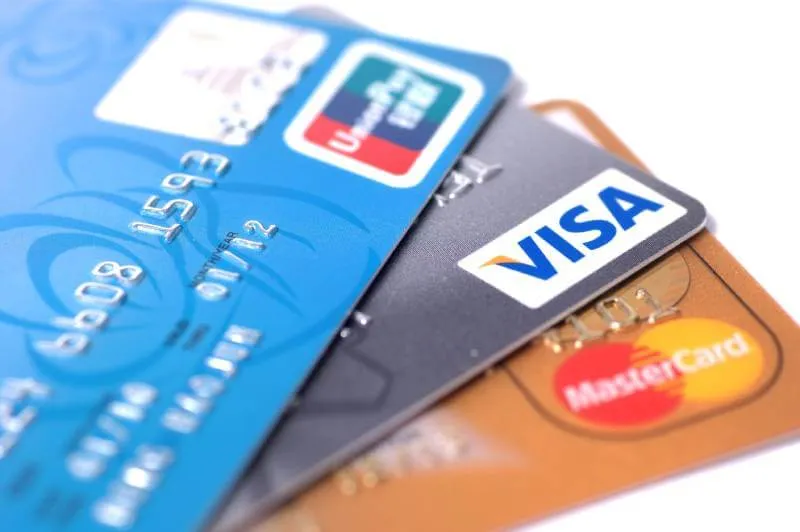
Wayne goes on to say, “Credit cards can be a powerful tool for consumer protection, offering benefits such as fraud protection, chargeback rights, and purchase warranties that cash or debit cards often lack. They provide an added layer of security against fraudulent charges, allow disputes over defective products, and often come with extended warranties or rewards programs. However, their benefits can quickly turn into financial pitfalls if not used responsibly.
“Carrying a balance on a credit card can be devastating to families due to high interest rates, which can accumulate rapidly and lead to long-term financial hardship. Interest charges can significantly outweigh any benefits the card provides, trapping consumers in a cycle of debt.
“The best way to leverage a credit card’s advantages is to use it for all purchases only if you are confident in your ability to pay off the full balance each month. By doing so, you can enjoy the rewards and protections without incurring costly interest charges. However, if there is any uncertainty about paying off the balance in full, it may be wiser to limit credit card usage to essential purchases or emergencies to avoid the risk of accumulating debt.”
Regarding credit card benefits, Wayne gave us some basic actionable tips:
Know your eligibility under the contract with the credit card company
Understand coverages and limitations
Monitor transactions and be proactive by filing a proper and timely claim
Documentation is critical
It's important to note that typically credit card companies require you to dispute charges within 60 days of the purchase or billing statement date. Some premium cards offer more generous timeframes, while basic cards may have stricter limits. Always check with your specific credit card carrier for their exact dispute time limit, as waiting too long could result in losing your right to dispute a charge. When in doubt, file your dispute as soon as you notice an issue to ensure you're within the protection window.
Retailer policies demystified: Using credit card protections
Wayne’s provides some suggestions: “The key to avoiding frustration with returns and refunds is to understand the retailer's policybefore making a purchase. Many of us rarely anticipate a problem—after all, most transactions go smoothly. However, when things don’t go as expected, being informed can help prevent disappointment.”
Before you buy, take the time to familiarize yourself with key aspects of the retailer's return and refund policy, such as these helpful tips from Wayne:
Return and refund time limits – Know how long you have to return an item and whether refunds are issued as cash, store credit, or the original payment method.
Return condition requirements – Understand whether items must be unused, in original packaging, or accompanied by tags.
Documentation requirements – Keep receipts, order confirmations, and any other proof of purchase.
Credit card protection benefits – Many credit cards offer additional purchase protection, extended warranties, or even return assistance if the retailer refuses to cooperate.
When to use a chargeback for in-store purchases
Let's say you purchased a new coffee maker from a local retailer, but it stopped working after just two uses. You return to the store with the item and receipt, but the store manager claims you must have damaged it and refuses a refund, despite their advertised 30-day return policy. In this case, you could contact your credit card company to initiate a chargeback under your purchase protection benefits. The credit card company can often help mediate the dispute and may temporarily refund your money while they investigate.
Chargebacks for online shopping issues
Online shopping presents unique challenges that make credit card consumer protection especially valuable. For example, if you purchased an item from a third-party seller on a resale website and received a counterfeit item instead of the authentic product advertised, you have options:
First, try to resolve the issue with the seller and platform. If they're unresponsive or unhelpful, your credit card's buyer protection allows you to dispute the charge. Document the discrepancies between what was advertised and what you received with photos and the original listing details.
Your credit card company can then help recover your funds under their purchase protection policy when merchandise isn't as described.
Being proactive and informed about consumer rights law empowers you to make purchases with confidence and handle returns smoothly when needed.
How much money could you save by fully understanding your rights as a consumer? Access to an experienced lawyer is critical so that you can ask questions and receive assistance with a variety of consumer protection issues. LegalShield's provider law firms are here to give you the help you deserve at a price that you can afford. Navigate consumer matters with confidence with LegalShield provider lawyers ready to assist.
Put your financial savvy to the test
How much do you think you know about credit card and retailer protections after reading this blog post? Take this fun little True/False quiz to test yourself!
True or False? Credit cards offer some consumer protection benefits.
True or False? You don’t need to understand a retailer’s policy before making a purchase.
True or False? There is no need to pay off the full balance of your credit card every month.
True or False? Consulting with an attorney empowers you to know your rights.
If you answered “True, false, false, true,” you answered correctly!
The final point is one of the most important: It's always beneficial to have the assistance of a knowledgeable lawyer as you navigate consumer protection issues. A LegalShield Membership gives you access to a provider law firm in your area, ready to help with these matters and more.
You can schedule consultations with your provider lawyer, ask unlimited legal questions, have your lawyer review paperwork and conduct phone calls on your behalf, and receive 24/7 help for covered legal emergencies. Navigate consumer issues with peace of mind as LegalShield lawyers work on your behalf!
Thank you to Wayne Hassay for lending his valuable insight to help us all understand consumer protection issues a bit better.
As managing partner of MSH, Wayne’s mission is to bring innovation and technology to the practice of law for the benefit of clients and lawyers. The philosophy is to broaden access to justice by using technology so that more clients can afford the legal services they need. He believes this will achieve the best possible result for his clients, while making their experience as stress free as possible.
Wayne is an outspoken advocate on how technology and group legal services will bridge the justice gap. He and MSH enjoy a collaboration with LegalShield, a monthly subscription plan that provides affordable access to professional legal services. He is the immediate past President of the American Bar Association’s Group Legal Services Association for the 2023-2024 term.
Obtén las respuestas que necesitas, cuando las necesitas
Content Specialist at LegalShield, creating educational resources about legal and consumer protection topics. She focuses on making complex legal and financial concepts accessible to readers and has contributed to various educational articles on consumer rights and protections.
¿Necesitas un poder notarial pero te preocupa el costo? Es natural preocuparse por pagar servicios legales, pero es importante no quedarse atrapado/a en dólares y centavos. Después de todo, no le puedes poner precio a la tranquilidad, y eso es exactamente lo que ofrece un poder notarial.
En Estados Unidos, un divorcio sin oposición generalmente cuesta al menos $1,500, mientras que un divorcio con oposición puede empezar en $5,000 y superar los $20,000 en casos complejos. El costo total depende de los honorarios de abogados, los costos judiciales y el nivel de conflicto entre los cónyuges.
A veces la gente tiene reacciones emocionales fuertes a la palabra "prenupcial" porque sienten que su pareja no confía en ellos. Pero un contrato prenupcial trata de establecer confianza y justicia. Puede ser una forma prudente y cariñosa de comenzar un matrimonio. Un contrato prenupcial es una manera en que dos personas resuelven cómo manejarán el dinero y los bienes antes de decir "acepto".
La mayoría de nosotros sabemos que deberíamos tener un testamento. Simplemente seguimos encontrando razones para posponerlo. Si eso te suena familiar, no estás solo/a. Sigue leyendo para aprender qué puedes hacer al respecto.
Planificar el futuro de tu familia toma tiempo y reflexión. Una herramienta que puede ayudar es el fideicomiso familiar: un arreglo legal que te permite decidir cómo se administra y se comparte tu propiedad con las personas que te importan.
Decidir tramitar el divorcio ya es bastante difícil sin tener que preguntarte si estás llenando el formulario correcto. Cada estado maneja el proceso de manera un poco distinta, y es normal sentir dudas acerca de dónde empezar. Reunimos información sobre lo que puede suceder durante el trámite, incluyendo perspectivas de una abogada de verdad, para darte más claridad en este camino.
Prepararse para un divorcio implica reunir documentos financieros y personales, hacer un presupuesto de tus gastos mensuales, asegurar tus cuentas digitales e inventariar tus bienes. También es importante decidir qué tipo de divorcio se adapta a tu situación y consultar con un abogado antes de presentar la petición para proteger tus derechos.
Saber qué tipo de abogado necesitas depende del asunto legal que enfrentas: derecho de familia para divorcio o custodia, planificación patrimonial para testamentos, derecho laboral para conflictos en el trabajo, derecho tributario para impuestos, entre otras áreas. Consultar con un abogado de práctica general o una firma proveedora de LegalShield te puede ayudar a identificar la especialidad correcta.
•
13 min de lectura
*See your plan contract for details. Additional fees, limitations, and waiting periods may apply.