Think about how often you use your credit card. Buying the weekly groceries, fueling up your car, shopping online, paying the bills and dozens of other daily or monthly uses—all these activities probably require the use of your credit card. Since you likely depend on your credit card to pay for these and other necessities, you don’t have the time or the money to deal with unauthorized credit card charges!
Erroneous credit card charges can happen for a variety of reasons, ranging from innocent company mistakes to malicious identity theft. It’s important that you know how to dispute a credit card charge if the need arises. But where can you start? We’ve asked one of our excellent LegalShield provider lawyers to weigh in on this important topic. Let’s hear from Wayne Hassay of Maguire Schneider Hassay as he shares his insight on how to dispute unauthorized credit card charges, and how you can protect yourself down the road.
What are some reasons to dispute a credit card charge?
As we previously mentioned, you could discover an unauthorized credit card charge for any number of reasons. Wayne gave us some great info on this point:
“There are plenty of reasons why someone might need to dispute a charge on their credit card. Many are easy to overlook and should not be forgotten! Here are some of the most common ones:
Fraud or unauthorized charges – This is the one you might think of most often. If someone gets hold of your card info and makes purchases without your permission, that’s a clear reason to dispute the charge.
Billing mistakes – Billing mistakes can happen, and it is certainly a good reason to keep a close eye on your statements. Maybe you were charged the wrong amount, got billed twice for the same thing, or were charged for something you never bought.
Never received the product or service – Internet shopping is great, but what happens when you pay for something, but it never arrived? That’s frustrating and worth disputing.
Item not as described or defective – This one could easily be overlooked. If what you received is damaged, fake, or totally different from what was advertised, you might have a case for a chargeback.
Canceled services or subscriptions still charging you – If you cancel a membership or subscription but still see charges on your statement, it’s time to dispute. More specifically, be wary of ‘free trials’ and the terms of conditions that apply when that ‘free trial’ expires.
Missing refunds – A business promises to refund you but never actually does—it’s fair to push back on that.
Unexpected fees or overcharges – If you’re charged more than what you agreed to or see hidden fees, you can challenge it.”
What should you know before you dispute a credit card charge?
Wayne says, “When you are already suffering through the trouble and inconvenience of the problem with a purchase, it is wise to carefully plan. Before disputing a charge on your credit card, here is how to make the process smoother and increase your chances of success:
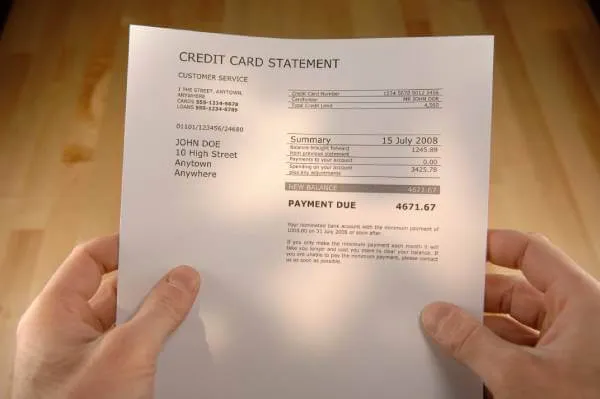
“First, carefully check your statement. Make sure the charge is incorrect. Sometimes, a merchant’s name appears differently on your statement, or a family member may have made the purchase. Also know what can be disputed, i.e., unauthorized charges, billing errors, non-received goods, or services not delivered as promised. However, you can’t effectively dispute things like buyer’s remorse or dissatisfaction if the item was made as agreed. Keep in mind, filing frequent disputes—especially ones that are not legitimate—could make your bank suspicious and impact your account standing. Thus, always try to resolve the dispute with the merchant first.
“Know the dispute deadline. Most credit card companies require disputes to be filed within 60 days from the date of the statement that includes the charge. This can vary; so, reporting within a few days is always best. Be diligent and gather your evidence—receipts, emails, cancellation confirmations, tracking numbers, or any other proof that supports your claim. The more documentation you have, the stronger your claim.
“Finally, it is important to note that while some of this is controlled by law and regulation, within certain parameters, each credit card issuer can have its own contractual agreement with you regarding how disputes are handled. Reviewing its annual disclosures can help you understand the process and what to expect.”
What steps can you take to dispute a credit card charge?
You can follow these basic tips to walk your way through a credit card dispute:
Review your credit statement thoroughly, as Wayne pointed out above. Make sure you haven’t simply overlooked a detail or a purchase that you forgot you made.
If necessary, you can contact the seller to get more information about the charge. Maybe there were some fees that you weren’t aware of when you purchased the item.
Gather up your evidence, such as receipts, purchase confirmations and shipping notifications.
Contact your credit card company to discuss the charge and what you can do about it.
Stay consistent. Send dispute letters, follow up with the credit card company, and keep gathering evidence as you go.
The credit card company should acknowledge your dispute and begin a claim investigation.
What happens after you file a credit card dispute?
Wayne goes on to say, “Once you submit your dispute (online, by phone, or in writing), the credit card issuer should confirm receipt. Be on the lookout for a receipt. If it is not received, there is likely a problem, and you should contact the card issuer.
“You must then present evidence that you are entitled to a credit. If the merchant disagrees, it can submit proof that the charge was valid. You may be issued a temporary credit, but understand it is just that, temporary, while the process plays out. This process can take anywhere from 30 to 90 days, depending on the complexity of the case. It's important to monitor the progress of the claim.
“If your dispute is approved, the temporary credit becomes permanent, and you won’t have to pay. If your dispute is denied, the charge will be reinstated on your account, and you will be responsible for paying it.
“If your dispute is denied and you believe the decision was incorrect, you may be able to submit additional evidence or appeal the decision with your card issuer. Deadlines and appeal terms may be strictly enforced. Diligence is necessary. Some disputes, particularly fraud-related ones, may require you to take further steps, such as filing a report with a consumer protection agency or the police.”
How can you protect yourself from future disputes?
Wayne has some great tips to share on how you can proactively stay safe from further credit card disputes. Here are some methods you can use, according to Wayne:
Regularly monitor your statements.
Your card issuer also monitors your transactions. When it contacts you about something suspicious, reply immediately.
Subscribe to SMS alerts with your card issuer.
Shop only at trusted websites.
Be cautious of free trials, and things that sound too good to be true.
Keep receipts, order confirmations and contact the merchant first.
Understand merchant policies before you buy.
Compare cards, seeking stronger fraud protection.
Be wary of unusual charges, no matter how small. Often those are test transactions by a fraudster before making bigger purchases.
Report lost or stolen cards Immediately.
“By following these steps, you can minimize the risk of needing to dispute a charge and keep your finances secure!”
When should you get legal help?
Dealing with money matters can get complicated fast. And if the credit card company doesn’t cooperate or doesn’t agree with your dispute, you could feel like you are at your wit’s end. That’s why it’s important to have an affordable legal plan before you even start the process.
LegalShield provides access to a provider law firm in your area. Your LegalShield provider lawyers are available for consultation, assistance with letters and phone calls, document review, and other essential services to help deal with your consumer finance issues. Your LegalShield Membership even gives you 24/7 emergency access for covered legal situations. Face credit card disputes with confidence when you have LegalShield ready and waiting to help!
Maguire Schneider Hassay is a LegalShield provider law firm serving LegalShield Members in Ohio. They have dedicated their practice to making the law—that is written for all—work for all. They are committed to making high-quality legal services accessible to more people than ever before. Their team of legal professionals is passionate about making a meaningful difference in the lives of everyone they serve. It’s why they chose the legal profession, and they haven’t forgotten that.
Content Specialist at LegalShield, creating educational resources about legal and consumer protection topics. She focuses on making complex legal and financial concepts accessible to readers and has contributed to various educational articles on consumer rights and protections.
Owing more than you can pay can be stressful, especially when debt collectors come calling. When you’re struggling to keep up, bankruptcy could be a way to make a fresh start.
Writing your own will comes with costs you may not be aware of. Learn everything you need to know about creating a DIY will and how it compares to using a lawyer.
Filing for Chapter 7 bankruptcy typically costs between $1,000 and $3,500. That includes fixed court fees, mandatory education courses, and variable attorney fees.
A new LegalShield study reveals what most of us already suspect but rarely say out loud: getting ripped off hurts, and the embarrassment that follows keeps people from doing much about it.
Realizing you’ve been scammed is one of the most stressful moments anyone can face. In this guide, we’ll walk you through the exact steps to take after a scam: who to contact, how to report the fraud, what your legal rights are, and how to increase your chances of getting your money back.
You aren't the only one to be in debt. Your LegalShield attorney can explain your rights, legal requirements, and other ways to start getting out of debt.




.webp)