Imagine that you’ve booked a flight for your dream vacation. You're excited and counting down the days. Then something unexpected happens. You get sick. A storm hits. Your luggage gets lost. Suddenly, your trip is in danger.
This is where flight insurance comes in. It helps protect you from losing money when travel plans go wrong. But how does flight insurance work on your behalf? When does it apply to your situation? To help you get the most out of your travel plans, we’ve asked one of our very own LegalShield provider lawyers to weigh in with some insights. Read on to learn what flight insurance is, how it works, and whether you need it for your next trip.
What is flight insurance?
Flight insurance is a type of protection for your airplane tickets. It helps cover costs when something goes wrong with your flight, including interruptions, delays, or even cancellations. Your insurance policy may even cover expenses like tickets and hotel stays.
How does flight insurance work?
It's simple. You buy coverage when you book your flight or soon after. Your insurance policy usually costs a set premium at a percentage of your total trip cost. If something bad happens that's covered by your policy, you can file a claim to get your money back.
What does flight insurance do?
As previously mentioned, your flight insurance policy may protect you from losing money from interrupted flights, delays, or canceled trips. Flight insurance can also provide financial protection against lost luggage. Emergency medical expenses are sometimes included, as well as accidental death or dismemberment. The problems that flight insurance can protect you against cover a broad range, so shop around for the policy that works for you.
Flight insurance is different from regular travel insurance. Travel insurance for flights usually includes medical help, hotel costs, and tour expenses. But flight insurance focuses just on your airplane tickets and flight-related problems.
"Flight insurance is usually limited to flight related incidents, cancellations, delays, and/or missed connections,"
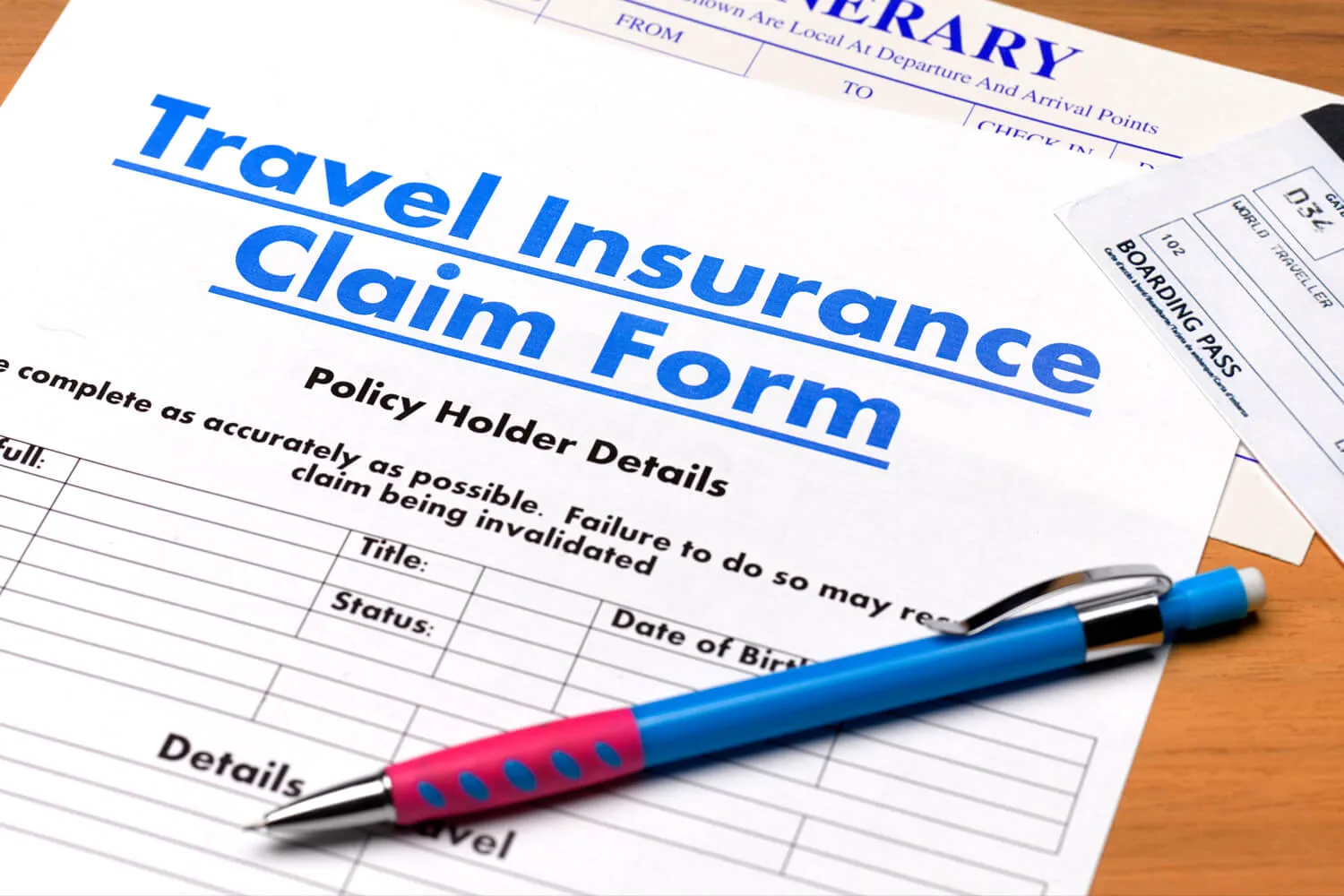
If you need to use your flight insurance, start by filing a claim with your provider after the covered event happens. Contact your insurer, send any required documents like receipts or flight info, and wait for them to review your claim. If it’s approved, you’ll get reimbursed for eligible costs.
Let’s break down each part of the process so you can know exactly how your flight insurance will work:
Step 1: Purchase your policy
You buy flight insurance when booking your ticket or within a few days of purchase. The earlier you buy it, the better.
Step 2: Something goes wrong
A covered event happens. Maybe your flight gets canceled. Maybe you get sick and can't travel. Whatever it is, you must make sure that it is included in your policy. This is where it’s helpful to have a lawyer review the paperwork with you.
Step 3: File a claim
You contact the insurance company and file a claim. You'll need to provide documents like receipts, medical notes, or proof of cancellation.
Step 4: Claim is reviewed
The insurance company reviews your claim. If it's approved, they send you money to cover your losses.
Is flight insurance necessary? That depends on your trip. The key thing to remember is that coverage only works for events listed in your policy. These are called "covered reasons."
What does flight insurance cover?
Here are common problem areas that flight insurance typically covers:
Serious illness or injury to you or a traveling companion
Death of you, a family member, or someone traveling with you
Severe weather that makes travel impossible or dangerous
Airline bankruptcy when the airline goes out of business
Price differences if you need to buy a new, more expensive ticket
Missed connections caused by flight delays
Death or dismemberment coverage in case of accidents
"If you miss a flight, this insurance will typically cover the cost of a non-refundable ticket or the difference in the price for a substitute flight,"
says Farrow.
What does flight insurance not cover?
Understanding what's NOT covered is just as important as knowing what is. Airline travel insurance won't pay for everything.
Common exclusions include:
Changing your mind about traveling
Pre-existing health conditions (unless you buy a waiver)
Labor strikes or political problems (unless your policy specifically includes them)
Missing your flight because you overslept or didn't leave home on time
Medical expenses or emergency evacuations
"Flight insurance generally does not cover stuff outside of the flight, like tours, hotels, medical expenses,"
Farrow notes.
Another important exclusion is "known events." If you buy insurance after a problem has already started, your claim might be denied.
Benefits of flight insurance
Why do people buy flight insurance?
Here are the main benefits of flight insurance:
Peace of mind
You don't have to worry about losing hundreds or thousands of dollars if plans change.
Financial protection
You get your money back for non-refundable tickets when covered problems happen.
Help with disruptions
If your flight gets delayed or your luggage goes missing, you have support and reimbursement.
Coverage for emergencies
Unexpected illness, family emergencies, or severe weather won't drain your wallet.
Do you need flight insurance?
You don't always need flight insurance, but it's recommended if you have expensive, non-refundable trips, travel during high-risk seasons, or have tight connections. It can be worth it if you can't afford to lose the money for a cancelled trip and can't get a refund from the airline or credit card company. Consider a comprehensive travel policy if you have other non-refundable costs like hotels or excursions.
You might benefit from flight insurance if:
Your tickets are expensive and can't be refunded
You're flying internationally with multiple connecting flights
You have health concerns that could affect your travel
You're traveling during hurricane season or winter storm months
You're taking a once-in-a-lifetime trip with big expenses
You might NOT need flight insurance if:
Your tickets are cheap and refundable
Your credit card already offers flight protection
You're taking a short, simple trip close to home
Is it worth it to buy flight insurance?
Farrow explains it this way:
"Paying $500 to cover the risk of a $100 airline ticket to a city 4 hours away to visit your family may not be a good idea. On the other hand, paying $500 to cover the risk of having to cancel an all-expense paid African safari or 14-day cruise around Tahiti that costs $20,000 likely makes economic sense."
Don't forget to check if your credit card offers travel insurance for flights. Many cards provide some coverage automatically.
Airline travel insurance vs. third-party providers
You can buy flight insurance from two main sources: airlines or independent insurance companies. Third-party travel insurance providers generally offer more comprehensive coverage, higher limits, and greater flexibility compared to the limited, flight-centric protection offered by airlines. Airline insurance is primarily a convenient add-on for basic flight protection.
Airline policies:
Often cheaper
Easier to buy at checkout
More limited coverage
May only cover that airline's flights
Third-party providers:
Broader coverage options
More flexibility in what's covered
Can cover multiple airlines and connections
Usually offer more comprehensive benefits
Compare both options before deciding. Read the fine print carefully to understand what you're getting.
Need help understanding your flight insurance policy?
Flight insurance policies can be confusing. The legal language is complicated. If you've had a claim denied or don't understand what your policy covers, you don't have to figure it out alone.
"Flight/travel insurance is a contract. In contract law, words matter," says Ben Farrow.
"A LegalShield attorney can help you understand the words in your agreement with the insurer, listen to what happened, and then apply the law to the facts, taking into consideration the rules of construction and interpretation of insurance contracts."
Whether you're dealing with a denied flight cancellation claim, confusing policy terms, or other consumer law issues, LegalShield can connect you with experienced provider lawyers who understand insurance contracts.
Get the legal help you need today. Visit LegalShield.com to learn how LegalShield can help you protect your rights at a rate that you can afford.
Ben started working at Anderson, Williams, & Farrow, LLC in 1992 and has been the supervising attorney since 2003. He became a partner in 2006. He is licensed in Louisiana, Alabama and Mississippi and maintains an active docket in all three states. He speaks at Super Saturdays, oversees Associate events for the firm and leads the Estate Planning Webinars and live events. He also provides advice and counsel to LegalShield Members every day.
Content Specialist at LegalShield, creating educational resources about legal and consumer protection topics. She focuses on making complex legal and financial concepts accessible to readers and has contributed to various educational articles on consumer rights and protections.
Yes, an HOA can foreclose on your house. If you fall behind on dues, it can put a lien on the house and, depending on your state, sell it, sometimes without a judge. Losing the house doesn't erase your mortgage, so you can still owe the bank. If you get a lien or foreclosure letter, call a lawyer that day.
Owing more than you can pay can be stressful, especially when debt collectors come calling. When you’re struggling to keep up, bankruptcy could be a way to make a fresh start.
Writing your own will comes with costs you may not be aware of. Learn everything you need to know about creating a DIY will and how it compares to using a lawyer.
Filing for Chapter 7 bankruptcy typically costs between $1,000 and $3,500. That includes fixed court fees, mandatory education courses, and variable attorney fees.
A new LegalShield study reveals what most of us already suspect but rarely say out loud: getting ripped off hurts, and the embarrassment that follows keeps people from doing much about it.
Realizing you’ve been scammed is one of the most stressful moments anyone can face. In this guide, we’ll walk you through the exact steps to take after a scam: who to contact, how to report the fraud, what your legal rights are, and how to increase your chances of getting your money back.
You aren't the only one to be in debt. Your LegalShield attorney can explain your rights, legal requirements, and other ways to start getting out of debt.
•
6 min read
Thank you! You're subscribed!
Oops! Something went wrong while submitting the form.







.webp)