
What Does LLC Stand for, and Is It Right for You?

Editor's note: This post was originally published on February 25, 2022, and has been updated for accuracy, comprehensiveness, and freshness on March 4, 2026.
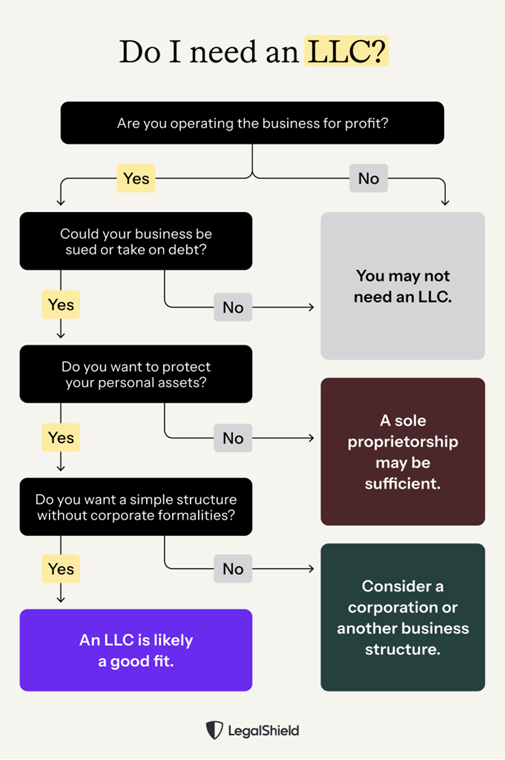
When considering business structures, a popular option to get started with is an LLC. But why pick this business structure over another, like a limited liability partnership ( LLP), or corporation?
Let's break down what an LLC is in real terms and how it works. We'll also cover key characteristics and the steps you need to take to set one up.
What is an LLC?
A limited liability company (LLC) is a business entity that provides entrepreneurs with protection against personal liability for business debts and obligations. These protections only apply if everything is properly formed and operated.
To put it another way, an LLC means that your personal assets can’t be touched to pay for debts racked up by the business.
What does an LLC mean in a company name?
If you come across a company or business with "LLC" in its name, it is a limited liability company. However, not all businesses will use the LLC designation in their name, even though they are an LLC.
One of the most notable examples is Google. The company is, in fact, an LLC belonging to the parent corporation, Alphabet, Inc.
Key characteristics of an LLC
The defining characteristic of an LLC is its ability to grant limited liability for its owners. Other important traits include:
- Pass-through taxation: Avoids double taxation.
- Management Flexibility: Owners can decide how to share profits amongst themselves.
- Hybrid structure: Owners have liability protections of a corporation while keeping full control over business decisions like a partnership.
- Fewer formalities: LLCs do not require the same business formalities as corporations.
How do you start an LLC?
Setting up an LLC is much simpler than creating a corporation. That said, it involves a few steps that you'll want to complete carefully.
1. Decide on a name
Picking a name for your LLC is an important part of the LLC formation process. When choosing an LLC name, it has to meet certain requirements, such as:
- Being different from any other name on file with your state filing office or department.
- Containing language that reflects your business’s structure.
- Using appropriate words, like avoiding vulgar or obscene language, or wording that tricks the general public about the nature of your business.
However, your business can have both a legal name (the LLC’s name) and a doing business as (DBA) name.
The legal name is the name you will use in legal documents, but the DBA name might be what you use for marketing your business.
2. Designate a registered agent
A registered agent is a person or another business that can accept legal and official documents on behalf of the LLC. States require LLCs to choose a registered agent and make the agent’s identity and contact information publicly known.
The exact designation requirements vary by state, but registered agents can usually include individuals, other LLCs, or corporations. States usually require these agents to have a physical location that can receive mail, but this location cannot be a post office box.
To choose a registered agent, you can select yourself or another representative of your business. But this results in reduced privacy because the registered agent’s contact information and location are publicly available. A registered agent must also be available at a physical location during business hours.
Given these limitations, a popular option is to hire a professional service company to serve as an LLC’s registered agent.
3. File articles of organization
Sometimes referred to as a Certificate of Formation or Certificate of Organization, Articles of Organization is the official document filed with the appropriate business filing office (often the Secretary of State) to create the LLC.
Each state is different, but most states will require the Articles of Organization to include:
- The LLC’s legal name
- Primary office of the LLC
- Name and location of the registered agent
- The reason for operating the business
- How you plan to manage your business
- How long you intend the business to operate (you do not have to be specific and can instead say “perpetual”)
- Authorized signature
You or your lawyer will then file the Articles of Organization with the State Department (usually online), along with a filing fee.
4. Draft an operating agreement
This document identifies and explains how the LLC should work. Not all states require LLCs to have operating agreements, but it is a good idea to have one, as it can protect an LLC’s limited liability status and prevent disputes among the owners.
The exact contents of an operating agreement will vary, but it may include things like:
- How much control each owner has
- The rights, powers, and responsibilities of the owners
- How profits and losses should be divided among the owners
- When and how meetings should be held
- Rules for transferring the ownership interests of one or more owners
Remember that, while you don't file operating agreements, you should keep them in a safe place with other important business records.
5. Get an EIN
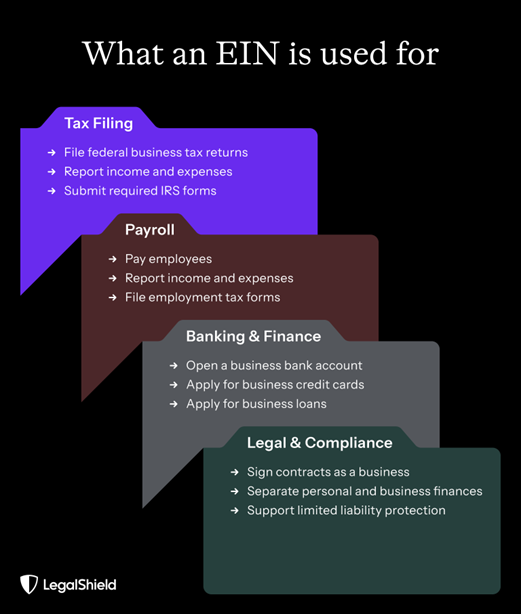
An EIN, or employer identification number, is a number that the IRS assigns to business entities for tax purposes. When it comes to filing tax returns, an LLC's EIN is like an individual's Social Security number.
To get an EIN, simply go to the IRS’s website for EIN applications and apply for one for free.
6. Obtain other necessary documents
Depending on the nature of your LLC and what it does, you'll also need to apply for any necessary licenses or permits, as well as create a business bank account.
The business bank account is important to help ensure owners don't lose their limited liability status. It also makes it easier to keep personal and business money separate and to track them for accounting and tax purposes.
Advantages and drawbacks of an LLC
Like any other business form, there are several pros and cons of an LLC to be aware of.
LLC pros
In addition to limited liability protections, pass-through taxation is another key advantage of an LLC. It allows LLC owners to “pass through” their business earnings to their personal income taxes, avoiding double taxation.
Plus, since LLCs are simpler structures than corporations, they don't need a board of directors, Articles of Incorporation, or other corporate formalities.
These types of entities also offer greater management and tax flexibility than corporations. This is because owners have more say over things like whether the LLC is taxed as a C corp or an S corp.
LLC cons
As beneficial as LLCs are, they come with several drawbacks, depending on which other business form you’re considering. Compared to a partnership or a sole proprietorship, an LLC has ongoing fees. You'll also have more paperwork and complexity to deal with.
Compared to a corporation, it is more difficult for an LLC to grow through outside investment. Corporations are set up to issue stock to investors, while LLCs can add new ownership members. However, most outside investors would prefer to own stock rather than become members of the LLC.
LLCs vs. other business entities
LLCs are popular business forms, but there are other forms to consider. Let's talk about some of the alternatives and their advantages:
- Sole proprietorship: Operating a sole proprietorship is cheaper and simpler than setting up and maintaining an LLC. There are no liability protections for the owner, though.
- Partnership: Partnerships are simpler and cheaper to operate while offering opportunities for joint ownership and management. As with sole proprietorships, there are no liability protections for the owners.
- Limited Liability Partnership (LLP): Offers liability protection for partners for the mistakes of other partners, while also allowing the owners to run their business like a partnership (which usually doesn’t offer liability protection).
- Corporation: Corporations make it easier to raise capital and increase the business's survivability (a corporation can still exist even if its original owners or shareholders leave the company).
Get additional legal advice with a LegalShield subscription
Now that you understand what an LLC stands for and how it differs from other business structure types, you can decide whether it's right for you. Once you've established your business, it's still a good idea to have legal protections and guidance in place.
LegalShield offers business legal plans that are perfect for those interested in starting or growing their small business. These plans offer legal services such as consultations, email and letter preparation, contract drafting, and document review, all for a small fraction of the cost of those services.
Frequently Asked Questions
What is the purpose of an LLC?
The purpose of an LLC is to allow business owners to run their businesses without interference from shareholders while also protecting the owners from their business’s financial liabilities.
What does LLC mean in business?
An LLC is a business structure that provides its owners with limited liability protection while also allowing them to maintain control over how they run the business.
How does LLC taxation work?
Because LLCs are "pass-through entities," profits get taxed only after they pass through the LLC and are received by the owner(s). From there, the profits are taxed as part of the owner(s)' personal income.
LegalShield provides access to legal services offered by a network of provider law firms to LegalShield Members through member-based participation. Neither LegalShield nor its officers, employees or sales associates directly or indirectly provide legal services, representation or advice. See a plan contract at legalshield.com for specific state of residence for complete terms, coverage, amounts, and conditions. This is not intended to be legal or medical advice. Please contact a medical professional for medical advice or assistance and an attorney for legal advice or assistance.
LegalShield is a trademark of Pre-Paid Legal Services, Inc. (“LegalShield”). LegalShield provides this blog as a public service and for general information only. The information made available in this blog is meant to provide general information and is not intended to provide legal advice, render an opinion, or provide a recommendation as to a specific matter. The blog post is not a substitute for competent legal counsel from a licensed professional lawyer in the state or province where your legal issues exist, and you should seek legal counsel for your specific legal matter. All information by authors is accepted in good faith. However, LegalShield makes no representation or warranty of any kind, express or implied, regarding the accuracy, adequacy, validity, reliability, availability, or completeness of such information. The materials contained herein are not regularly updated and may not reflect the most current legal information. No person should either act or refrain from acting on the basis of anything contained on this website. Nothing on this blog is meant to, or does, create an attorney-client relationship with any reader or user. An attorney-client relationship may be formed only after the execution of an engagement letter with an attorney and after that attorney has confirmed that no conflicts of interest exist. Nothing on this website, or information contained or transmitted by this website, is intended to be an advertisement or solicitation. Information contained in the blog may be provided by authors who could be a third-party paid contributor. LegalShield provides access to legal services offered by a network of provider law firms to LegalShield members through membership-based participation. LegalShield is not a law firm, and its officers, employees or sales associates do not directly or indirectly provide legal services, representation, or advice.

How To Start an LLC in Michigan in 7 Steps

LLC vs. Corporation: Key Differences + Which To Choose for Your Business
