

Legal Picks
10 min read


Imagine that you are at a beautiful wedding – either getting married, or witnessing the happy couple tie the knot. The officiant stands before the happy couple and asks, "Does anyone object to this marriage?" Suddenly, someone in the audience stands up. The room goes silent. You and everyone else stares.
If you've seen this scene in movies, you might wonder: what happens if someone objects at a wedding in real life? The good news is that this dramatic moment almost never happens today. Wedding objections are much more common on TV than in actual ceremonies. But they can still occur, and they may even have legal consequences. That’s why you want to be prepared – no matter if you want to avoid an objection at your own wedding, or if you want to know if your objections to someone else’s marriage hold any legal grounds.
With the help of LegalShield provider lawyer Jack Morgeson with DSK Law, we’ll explore the tradition of marriage objections, whether they're still allowed, and what really happens if someone speaks up. We'll also look at legal reasons to object at a wedding and how couples and officiants handle these rare situations.
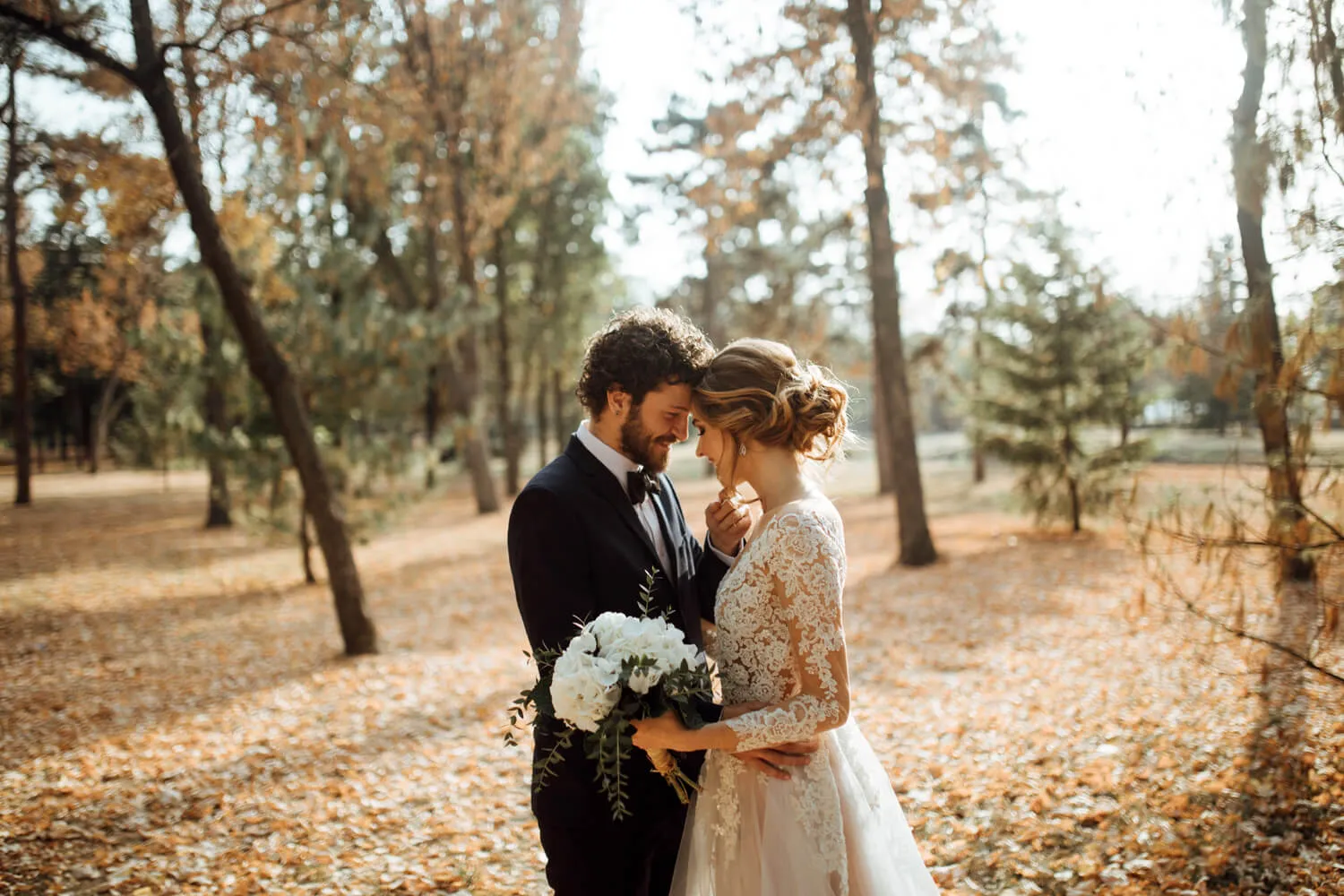
The custom of asking, “Speak now or forever hold your peace" is very old. It started hundreds of years ago in Christian churches.
Back then, it was hard to check if someone could legally get married. There were no computers or databases. The church needed a way to make sure the marriage was legal before it happened.
The objection at wedding ceremonies helped catch problems like:
Religious leaders asked this question to give people one last chance to speak up. If no one objected, the marriage could move forward.
Today, we have marriage licenses and background checks. These take care of legal problems before the wedding day. That's why most modern weddings skip this tradition entirely.
Most officiants don't ask for objections anymore. According to Morgeson,
“In Florida, the question as to whether anyone, while in attendance, objects to the wedding, is not one that is legally required to be asked. It therefore is usually left out of the ceremony by the Officiant."
If someone tries to object at a wedding without being asked, here's what usually happens:
In most states, there's no law that says officiants must ask for objections. It's just an old tradition that many people have stopped using.

Not all objections are the same. There's a big difference between "I don't like this marriage" and "This marriage breaks the law."
If someone objects at a wedding for emotional reasons (like not approving of the couple), it doesn't matter legally. But some objections are based on real legal problems.
Morgeson explains that there are certain legally valid reasons that could stop a marriage in Florida, where his law practice is based:
Here's the important part: these problems are almost always caught before the wedding day. When couples apply for a marriage license, they show ID and give information about themselves. This process finds most legal issues early.
Let's say someone does stand up and object during a ceremony. What happens next?
The officiant will probably pause and decide what to do. They might:
If the objection is just personal (like "I don't think they're right for each other"), the wedding will go on. Emotional reasons don't have legal power.
Morgeson notes,
"For the most part in Florida, parties may still proceed with a wedding despite the presence of a legal objection, subject of course to the nature of the objection and support documentation provided, if any."

As we previously mentioned, objections are extremely rare and almost never happen. Most couples will never experience this problem while having a wedding.
Why don't objections happen much anymore? Marriage license applications already check if people can legally marry. The couple has to:
Even though objections are rare, it's smart to have a plan. Here's advice for couples and officiants.
Remember, the officiant is in charge of the ceremony. They can choose how to respond to any situation.

Marriage laws can be confusing. Whether you're planning a wedding, dealing with family matters, or have questions about your legal rights, LegalShield can help.
LegalShield connects you with experienced provider attorneys who can answer your questions about marriage law, divorce, custody, and other family legal issues. For around $1 per day, you get access to legal help whenever you need it.
Don't face family legal questions alone. Visit LegalShield.com/family-law to learn how affordable legal protection can give you peace of mind for whatever life brings.
Jack was born in Minneapolis, Minnesota, and has been a resident of Orlando since 1993. Since he began practicing law, he has represented clients in personal injury and casualty defense, contract, landlord/tenant, corporate and business entity, construction, real estate, family and consumer related matters. Additionally, Jack serves as assistant counsel to the City of St. Cloud. He is also Special Magistrate to The City of Orange City, and as support counsel to Orange County’s Buildings Code Board of Adjustments and Appeals and Nuisance Abatement Board
Jack has served as a volunteer with the Orange County Bar Association since 1993 and is a co-managing partner of the law firm’s LegalShield Division. Jack holds the highest ranking an individual attorney can receive (AV), as designated by the Martindale-Hubbell Law Directory.
Content Specialist at LegalShield, creating educational resources about legal and consumer protection topics. She focuses on making complex legal and financial concepts accessible to readers and has contributed to various educational articles on consumer rights and protections.

En Estados Unidos, un divorcio sin oposición generalmente cuesta al menos $1,500, mientras que un divorcio con oposición puede empezar en $5,000 y superar los $20,000 en casos complejos. El costo total depende de los honorarios de abogados, los costos judiciales y el nivel de conflicto entre los cónyuges.

Decidir tramitar el divorcio ya es bastante difícil sin tener que preguntarte si estás llenando el formulario correcto. Cada estado maneja el proceso de manera un poco distinta, y es normal sentir dudas acerca de dónde empezar. Reunimos información sobre lo que puede suceder durante el trámite, incluyendo perspectivas de una abogada de verdad, para darte más claridad en este camino.

La mayoría de nosotros sabemos que deberíamos tener un testamento. Simplemente seguimos encontrando razones para posponerlo. Si eso te suena familiar, no estás solo/a. Sigue leyendo para aprender qué puedes hacer al respecto.

Prepararse para un divorcio implica reunir documentos financieros y personales, hacer un presupuesto de tus gastos mensuales, asegurar tus cuentas digitales e inventariar tus bienes. También es importante decidir qué tipo de divorcio se adapta a tu situación y consultar con un abogado antes de presentar la petición para proteger tus derechos.

¿Necesitas un poder notarial pero te preocupa el costo? Es natural preocuparse por pagar servicios legales, pero es importante no quedarse atrapado/a en dólares y centavos. Después de todo, no le puedes poner precio a la tranquilidad, y eso es exactamente lo que ofrece un poder notarial.

Ya sea que te estés casando, pasando por un divorcio o simplemente estés listo para un nuevo comienzo, cambiar tu nombre es un gran paso. Puede ser un proceso sorprendentemente difícil, y las tarifas varían mucho.

Planificar el futuro de tu familia toma tiempo y reflexión. Una herramienta que puede ayudar es el fideicomiso familiar: un arreglo legal que te permite decidir cómo se administra y se comparte tu propiedad con las personas que te importan.