When you’re first starting a business, it makes sense to keep things simple. But as your business grows and matures, you sometimes outgrow that simplicity. Before long, you find yourself wondering how to switch from a sole proprietor to an LLC.
But if you’re considering this switch, you may feel a little overwhelmed. However, you can receive legal assistance for your small business before, during, and after a sole-proprietor-to-LLC switch with a LegalShield small business legal plan.
Here’s a simple, step-by-step guide on how to change from sole proprietor to LLC.
Why transition from a sole proprietorship to an LLC
Liability and taxation are a few reasons why sole proprietors transition into an LLC. Let’s look further into each reason.
Liability
Sole proprietor: Unlimited personal liability
LLC: Limited to business assets
As a sole proprietor, there is little difference, from a legal perspective, between you and your business. That means that, if someone sues your business, they are effectively suing you. Your personal assets, including your home, vehicle, and money, could be exposed.
An LLC (limited liability company) offers, as the name suggests, limited liability. In other words, the liability you might face in your business activities is generally more limited to business assets. If you follow the proper rules and procedures, your personal assets are generally safe from liability when you have an LLC.
Taxation
Sole proprietor: Individual tax return
LLC: Options for different tax classifications, like a pass-through, S-corp, or C-corp
Switching from a sole proprietor to an LLC can offer more favorable tax positioning for your business. But it doesn’t automatically do so. In general, a single-member LLC will be taxed similarly to a sole proprietorship.
Under the right conditions, LLCs can allow you to elect an S-corporation taxation, which may reduce self-employment taxes and allow for payroll and distributions. All of these things can offer flexibility in your tax situation.
Now, let’s dive into eight detailed steps on how to convert from a sole proprietorship to an LLC.
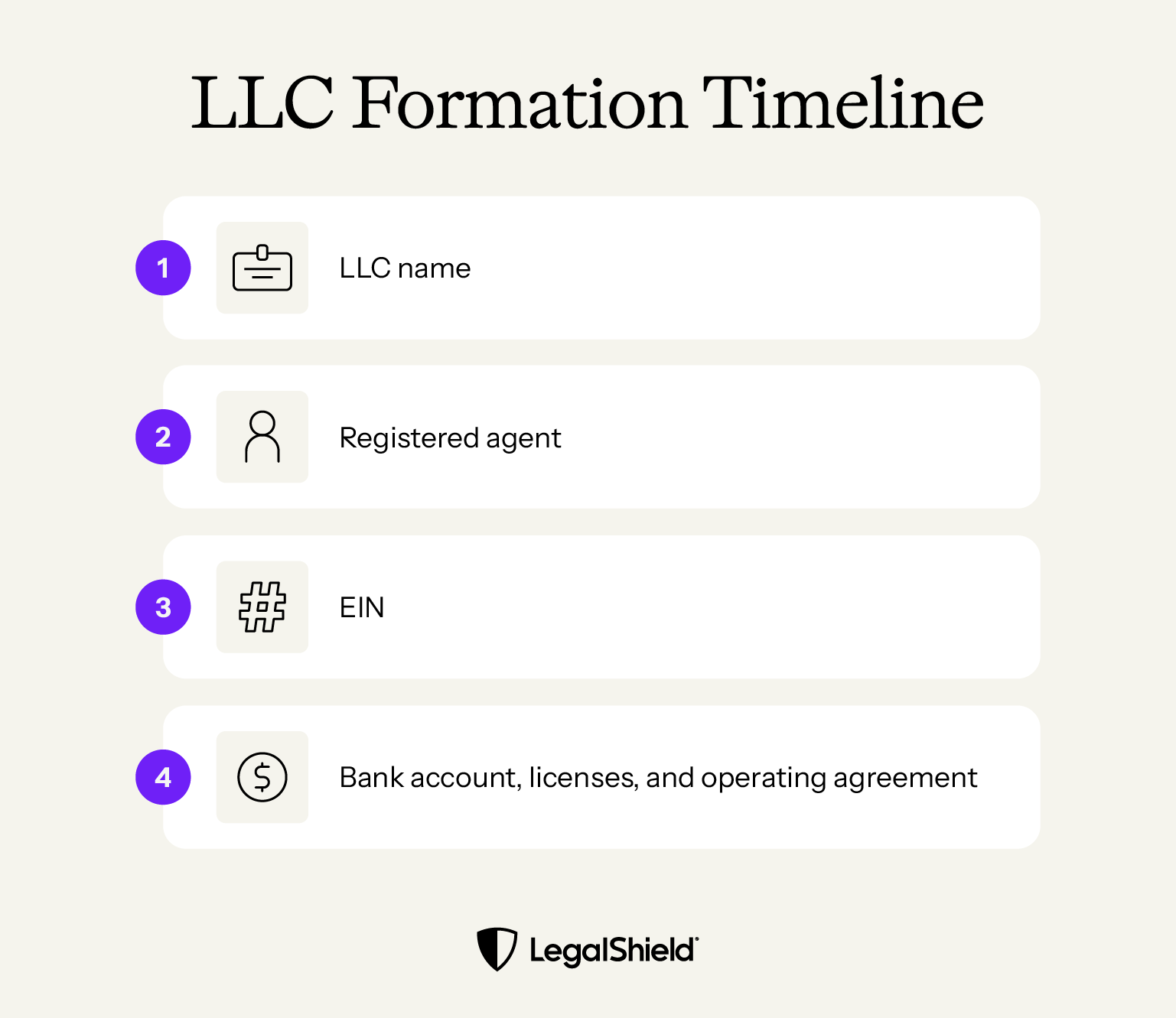
Step 1: Choose and reserve your LLC name
The name you choose for your LLC has to comply with state rules and avoid conflicts with other businesses.
Most states require that your name be meaningfully different from existing entities — not just a minor punctuation change or addition of the word “The.” You can quickly check name availability through your state’s online business name database (typically maintained by the Secretary of State).
It’s also a good idea to look beyond your state filing system. Even if a name is available locally, it may conflict with a trademark elsewhere. Consider doing a quick online search, checking domain name availability, and reviewing the U.S. Patent and Trademark Office’s database.
Once you’re sure your name is available, you’ll need to include an LLC designator (as required by your state), such as:
LLC
L.L.C.
Limited Liability Company
If you have been using a registered DBA as a sole proprietor, you may need to cancel it before forming your LLC or speak to a LegalShield provider lawyer on how to consolidate your DBA and your new registered entity.
Step 2: Appoint a registered agent
Because your LLC will be legally separate from you as an individual, your state will want a guarantee of its ability to consistently contact someone in the state if your business is involved with any official or legal matters. That person will be your “registered agent.”
A registered agent can receive legal documents and “service of process,” — formal delivery of legal papers like notice of a lawsuit. In most states, you can be your own registered agent, but keep in mind that you have to:
Be an adult
Have a physical address in the state
Be available during business hours
If you don’t meet those requirements, you might need to hire a professional registered agent service. These services will charge you a fee (usually between $100 and $300 annually) but will remind you of deadlines, allow you to move or travel extensively, and keep your address private.
Step 3: File Articles of Organization
Filing your Articles of Organization officially creates your LLC. These documents establish your business as a separate legal entity when you submit them to your Secretary of State.
While requirements vary by state, you’ll typically need to provide at minimum:
You’ll also need to pay a filing fee. The total fee can vary drastically by state, running from less than $100 to over $500. Some states also include annual franchise taxes or annual reports.
Your LLC becomes official once the state approves your filing. Processing times usually range from a few days to several weeks. After approval, you’ll receive confirmation — often called a certificate of formation — and can start operating as an LLC.
But you’re not quite done.
Step 4: Create an LLC Operating Agreement
An Operating Agreement is a document that describes how your LLC is owned and operated and defines the rights and responsibilities of involved members.
Even if you’re forming a single-member LLC and your state doesn’t require one, an Operating Agreement is often a good idea. That’s because it helps document that your LLC operates as a separate legal entity. That supports the limited liability protections that likely drove you to form an LLC in the first place.
Ownership structure (Who owns the LLC and in what percentage)
Management structure (Member-managed or manager-managed)
Voting and decision-making procedures
Profit distribution
Adding or removing members
Dissolution procedures
If you’re the only owner, many of these ideas will be straightforward. But in a multi-member LLC, clearly defining all these terms prevents many disputes and confusion later.
Step 5: Apply for a new EIN
In most cases, if you’re switching from a sole proprietor to an LLC, you’ll need to apply for a new employer identification number (EIN) if you have obtained one for your sole proprietorship. This is just a number the IRS uses to identify your business for tax purposes.
The good news is that getting your new EIN is completely free. And you can do it online via the IRS website in under 10 minutes. Just follow the prompts from the EIN Assistant.
If you already have an EIN for your sole proprietorship, you should speak to your accountant or a LegalShield provider lawyer about how to tie your existing EIN to your newly formed LLC.
Step 6: Update business licenses and permits
If you’ve been operating your sole proprietorship for some time, you probably have existing professional licenses (real estate, contractor, etc.), business licenses, selling permits, and similar credentials. You may need to transfer these to your new LLC.
The specifics will depend on your local and state regulations, as well as the specific industry you operate in. But it’s important to check because doing so keeps all of your permits and licenses valid and your business protected.
Similarly, if you have any insurance policies associated with your sole proprietorship, reach out to your insurer to make sure they are now insuring your LLC. That way, your coverage remains valid in the event that you need to make a claim.
Step 7: Open a business bank account
One of the key purposes of switching to an LLC from a sole proprietorship is obtaining limited liability protection. But if you operate your LLC without a separate business bank account, you may put that limited liability protection at risk.
Managing all of your business finances in a separate account — instead of mixing personal and business financial activities — helps protect the so-called “corporate veil” between your personal and business activities.
In the event that your LLC is sued, for example, a court might look at whether you’ve treated your LLC as a separate entity. If you’ve mixed personal and business finances, that separation could be questioned. And that might put your personal assets at risk.
You may already have an account for your sole proprietorship business. If so, you can talk to your bank about adding your LLC name to the account.
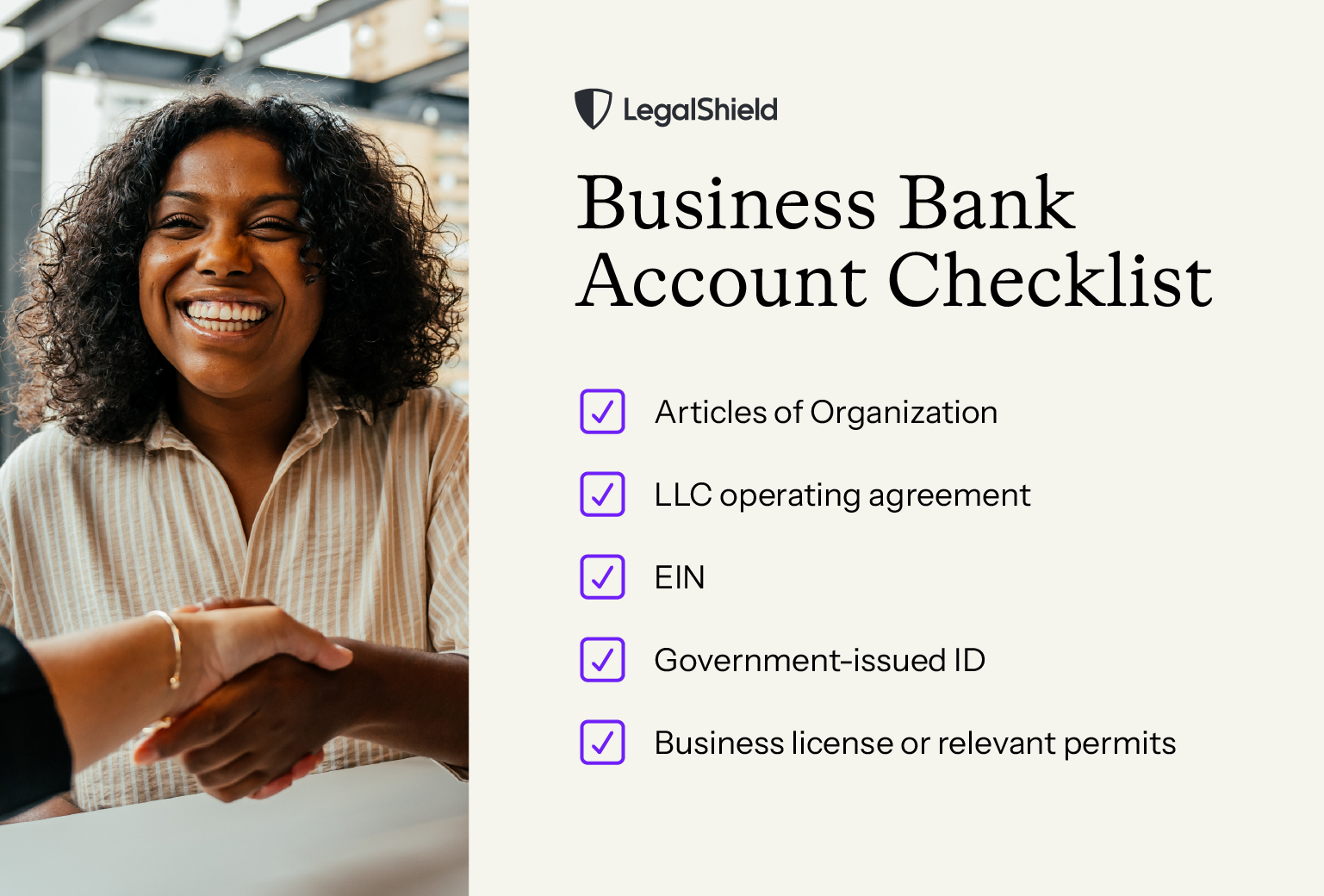
To open a new business bank account, you’ll usually need the following:
After you have your business bank account, don’t forget to update all of your payment processors and merchant services providers, such as Stripe, PayPal, and similar, with your new account information, business name, and tax information.
Step 8: Notify stakeholders and update contracts
If you have existing contracts with vendors or clients that list your sole proprietor name, you may need to make some simple changes to ensure that your LLC is the contracting party.
Usually, you can do this with a contract amendment and re-signing of documents, like office or equipment leases, utility accounts, software licenses, service agreements, and similar.
Importantly, your new status as an LLC may have tax implications in your state. That means you may need to update your sales tax registration and any state-level employer accounts. You may also need to notify your department of revenue (or a similar entity) of the change.
Make the right choice for your business with LegalShield
If you’re researching how to switch from sole proprietor to LLC, you’ve probably already realized that liability, taxes, and compliance can make a big difference for your business. Making the right choice for your business structure now can lay the groundwork for incredible success later on.
LegalShield can help with that. Our Small Business legal services give you affordable access to dedicated law firms for consultation and advice on business formation, as well as review of documents like Articles of Organization and operating agreements — plus a 25% discount on additional services.
With LegalShield, you can move forward with confidence. Learn more about our small business plans today.
Frequently Asked Questions
If you do not have a business-only account, then yes. To keep your LLC’s liability protections, you will need to separate business and personal funds. A business bank account enables you to do that. If you have an existing business account, you may want to contact your bank to add your new LLC.
The costs of changing from sole proprietor to LLC will depend on various factors, such as your state, whether you use a registered agent service, and whether you work with a lawyer. State LLC filing fees can range from under $100 to over $500, and registered agent services are typically between $100 and $300 annually.
No, switching to an LLC doesn’t automatically change how your business gets taxed. A single-member LLC will be taxed similarly to a sole proprietorship by default, but LLCs can choose to be taxed differently. For example, if you file the proper forms with the IRS, you can be taxed as an S-corporation.
In some cases, you may be able to keep your existing business name when you switch from a sole proprietor to an LLC. The name must be available in your state and include the required designator (“LLC,” “L.L.C.,” or similar). It’s important to remember to check your business name for trademark conflicts, too.
The transition from sole proprietorship to an LLC can take anywhere from a few days to several weeks. How long your process takes will depend on your state, whether you’re filing online or in person, and the complexity of your business.
Communications Director at LegalShield overseeing content creation designed to make legal protection simple and approachable. He focuses on offering straightforward, trustworthy guidance that empowers people to make informed decisions about their legal rights and responsibilities.
Dissolving an LLC can be tricky, and doing it without guidance can lead to unnecessary stress and delays. We’ve put together some helpful information so you can start the LLC dissolution process with more peace of mind.
An employment contract is an important piece of paperwork because it defines the working relationship, your expectations, and conditions. Here are some of the common components included.
Virtual business addresses can be a practical option for those forming an LLC from home, working remotely, or trying to keep their business and personal mail separate.
By the end of this blog, you’ll get a high-level summary of trademarking a name and logo, how logos differ from business names and artwork, and how much it all costs.
A DBA is a name registration that lets you run your business under a name other than your personal legal name or legal business entity. While a DBA offers branding flexibility and market expansion opportunities without creating a new legal structure, it does not provide legal liability protection, tax benefits, or function as a business license.
An indemnity agreement settles the “who is responsible” question ahead of time. One party promises, in writing, to cover certain losses tied to the work, so the other isn't left with the bill. These promises appear in construction contracts, leases, and business sales.
A certificate of good standing is official proof from your state that your business is registered and current on its requirements. Most lenders and agencies want a recent one, so it helps to know how to get it before someone asks.
Whether the goal is selling a company, bringing in a business partner, or passing it to a family member, the LLC ownership transfer often involves reviewing the LLC's operating agreement and the applicable state's rules.
•
11 min read
Author Name
,
Author Title
August 4, 2026
Thank you! You're subscribed!
Oops! Something went wrong while submitting the form.