Beloved actor Chadwick Boseman, AKA the star of Black Panther, has passed away after a battle to colon cancer. Due to the unpredictable nature of his death, Boseman died without a Will, leaving the court to decide who will inherit his fortune.
Court documents revealed that Boseman’s estate was about $3.8 million, but after lawyer fees and funeral bills, the number runs down to $2.5 million. After a lengthy probate process, the court decided to split the estate between Boseman’s widowed wife and parents.
Dying without a Will can be expensive for your loved ones
Had Boseman drafted a Will, there wouldn’t have been such hefty legal fees that came out of the amount he was able to give his family. Because he died without a Will, his estate took much longer to administer, and additionally cost a lot more. The expenses associated with this extra time spent in court were deducted from his assets, leaving less to distribute to his loved ones.
While Boseman still had a fortune to leave to his family, less fortunate individuals who die without a Will could end up leaving their families with expensive legal fees required for sorting out their assets.
5 things that can happen if you pass without a Will
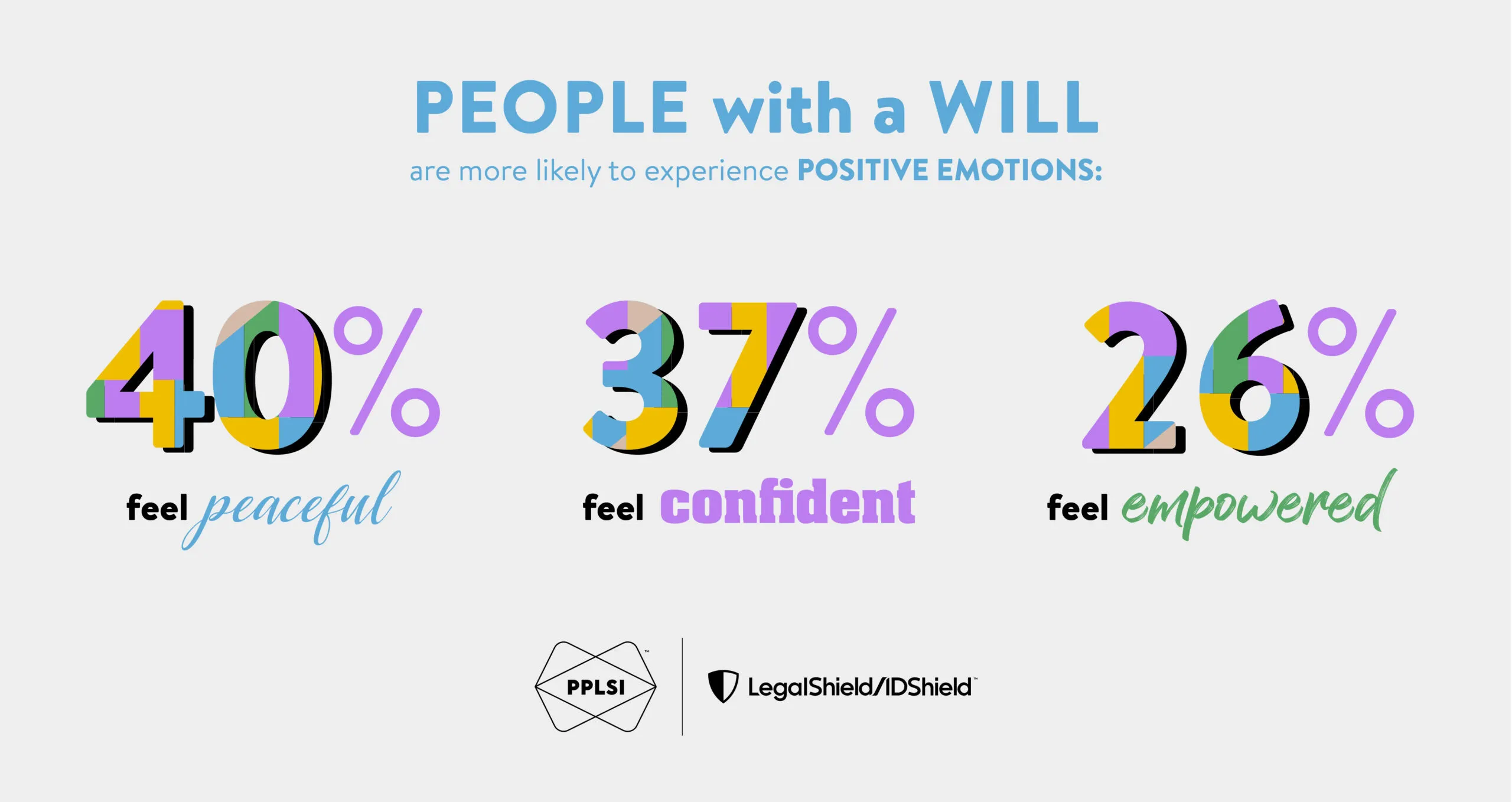
In a recent Fortune Magazine article about the importance of having a Will, LegalShield was prominently featured. According to a LegalShield survey, 54% of Americans don't have a Will or trust. Those without a Will are twice as likely to feel stressed and afraid as those with Wills. So let there be no doubt: a Will is in your best interest and your family's best interest.
Boseman’s case is an excellent example of why it’s so important to have a Will in place, should you unexpectedly pass away. Learn 5 things that can happen if you pass away without a Will.
1. Your estate will be left in the hands of the court.
When you pass without a Will, you don’t get a say where your estate (including your money, debts, property, etc.) goes—the court will likely decide who receives it, and it’s possible they make decisions you would disagree with.
2. The process of determining where your assets go can be expensive.
A lesson we learned from the Chadwick Boseman case: The court process to determine where your assets go can be expensive and time-consuming, and your loved ones may have to undertake this burden. The costs associated with extra time spent in probate court will be deducted from assets, leaving less to dispense to heirs.
3. You won’t get a say in who will care for your minor children.
One of the most important reasons to have a Will in place is for the sake of your minor children. Without specifying who you’d like to care for them in your Will, the court will appoint a legal guardian for your child should both parents die, and that decision might not reflect your wishes. If there is no apparent potential guardian, your child could be remanded to state custody (foster care) while the court investigates.
Additionally, you want to ensure your children are cared for. A Will allows you to leave behind assets to your children. Having someone you trust to manage those assets until your child is an adult is imperative.
4. Your pets will be considered property of the law.
Your furry friends deserve the best, and you can protect them by having a Will. Just like you would leave finances and property to family, your Will can indicate who should care for your pets when you’re gone. Choosing a trusted loved one as the pet’s new owner can give you peace of mind that your animal friend would get the best care possible.
Without a Will that designates who will care for your animal friend, this decision will again be left in the hands of your state’s court system.
5. It can cause tension among family.
Having an estate plan in place allows you to designate the roles of different family members should something happen to you (like a Healthcare Representative or Power of Attorney), and it also allows you to designate who should receive certain items and inheritances.
Without a Will in place, your family and the court will have to figure out who gets what for themselves, which can cause arguments and conflict. Having a Will lessens the pressure by making the difficult decisions for your loved ones.
This Make-A-Will Month, check estate planning off your to-do list.
Did you know August is National Make-A-Will Month? During what’s oftentimes the slowest part of the summer, it can be a great time to check off some lingering chores—like getting your estate plan drafted. LegalShield makes the process easy and quick—contact your provider lawyer for any questions.
We’ll provide more information about the trustors vs. trustees comparison, what to consider when filling these roles, and how they work together in Revocable and Irrevocable Trusts.
A power of attorney with springing powers is a legal document that grants someone else the authority to act on your behalf only after a specific event occurs.
There’s no rule that says a lawyer has to set up your Trust for it to be valid. However, Trusts are complex and doing it yourself without a lawyer's help comes with risks.
A Certificate of Trust proves your Trust is real and names who can act for it, while your beneficiaries and assets stay private. It lets your Trustee handle Trust business, like opening accounts or transferring property.
A limited power of attorney often comes in handy when you need help for a short time or for a single purpose. This legal document can help in situations like when you’re traveling, serving in the military, caring for an aging parent, or sending a child to study abroad.
We’ll cover some of the most common scams, the red flags that give them away, how to protect yourself, and what to do if you’ve already been caught out.
An executor is responsible for ensuring your final wishes get carried out, so it’s important that you choose someone who is responsible and can bear the emotional burden.
An employer identification number is a nine-digit number the IRS uses to identify a taxpayer. The estate needs its own, and getting one is usually simpler than it sounds. Learn more about estate EINs.
•
5 min read
Author Name
,
Author Title
September 16, 2026
Thank you! You're subscribed!
Oops! Something went wrong while submitting the form.






.jpg)