College life is exciting, stressful, and busy all at the same time! Add finding a place to live to your list of things to do, and you may feel like you’ve reached the end of your rope. Renting an apartment can be daunting, especially if this is your first time renting. Whether you are an incoming freshman or a seasoned senior, finding a good student apartment takes time and dedication. That’s why we’ve gathered some of the most critical info for you to know as you start the process!
What do you need to get an apartment as a college student?
Landlords who cater to college students know that you probably have limited income and little history with renting or credit. As a result, they usually need you to fulfill some specific requirements to make sure you're a good fit for their house or apartment. Here's some of the paperwork you should start gathering now:
Credit score, even if it's low
Official pay slips or statements from your bank to show your monthly/yearly income
Social Security number
Any rental history, including contact info for your past landlords
Your criminal history if applicable
References from bosses, previous landlords, teachers, etc.
You'll need to contact people for their references and retrieve your official statements from banks, places of work, etc. This paperwork will take time to collect. However, it’s essential that you have it all available to show your prospective landlord so they know you are prepared and productive. The more trustworthy you seem at first, the better your chances are of establishing a good relationship with your landlord later.
How do you get an apartment?
It’s time to start hunting for a great place to live! Here are the basic steps you need to take:
Research your options online. You can look on the internet for rental reviews and recommendations. You may even find local groups on social media where you can ask for suggestions. People are usually eager to share their experiences with landlords and residences.
Drive around town. Grab a cup of coffee and visit the places you like most online. You can also look for signs that read “For Rent” in front yards or apartment complex driveways. If you see a place you like, explore the area a bit more. Make sure it's secure and clean with nearby access to necessities like grocery stores and laundromats. Call the number on the rent sign to start a conversation with the landlord.
Advertise for roommates. Who you live with can make or break your rental experience. Don’t just ask a good friend to move in—you may find that your lifestyles don’t mesh well when you start living together! Instead, prepare a list of questions to ask potential roommates:
How do you spend your time at home?
Do you have or plan to have pets?
How often do you clean/wash dishes/use the kitchen?
Do you want to have family, friends, or significant others visit frequently?
What temperature do you prefer to keep your home?
What are your work hours/weekend hours?
Do you have any hobbies that take up space or make loud noise?
Can you apply for an apartment with no credit?
Remember those important documents we listed earlier that you need to have on hand? What should you do if you don’t have credit at all? Though this might make renting a bit trickier, it doesn't make it impossible. You still have several options for renting even if you have no credit.
Seek out private landlords. These are the folks who usually have “For Rent” signs in front of their property. They don’t advertise through big companies, but instead run their own rental businesses. You may hear about these landlords from acquaintances or learn of them through school, work, church, etc. You can meet them in person and show them proof of your ability to rent, despite not having a credit score.
Bring your references with you. You can show your potential landlords the recommendations that your coworkers, bosses, teachers, and other people of influence have written about you. Your prospective landlords will appreciate getting to hear positive references that prove your reliability.
Look for no-credit-check rentals. Some apartment owners don’t require your credit in order to consider your application. Just be careful to avoid “slumlords:” landlords who don’t care for their property but still charge exorbitant fees in exchange for not checking your credit.
Find a co-signer. If you don’t have credit, it may be possible for a co-signer to sign the lease with you. Ask a parent or legal guardian or family member to be your co-signer if they have good credit.
Pay the first few months of rent in advance to prove that you can. This isn’t a bribe, but instead it's a surefire way to show that you have the necessary money to afford this rental space.
How do you sign the lease as a college student?
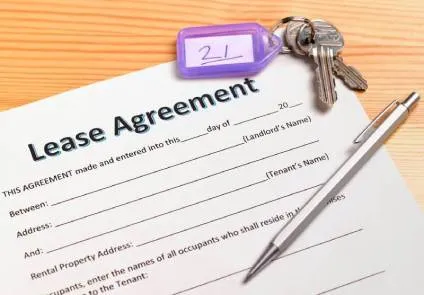
The main thing to remember when signing a rental lease is read, read, read. Don’t skip over the fine print. Make sure you understand the terms of your lease agreement. Knowing what you're signing up for will save you massive amounts of confusion, time, and money down the road if you run into problems with the property or your landlord.These are a few of the basic terms you should be familiar with in your lease before you sign it:
Cost: What is the price per month? When is rent due? Who is responsible for landscaping, mowing, or other chores? Which utility bills are you supposed to pay, and which ones (if any) will your landlord pay? If you live with roommates, you should understand that whoever signs the lease will be responsible for getting the rent money paid on time. Work out a plan with your roommate for how and when they'll pay you their portion of the rent.
Repairs: Some property damages are the landlord’s responsibility to fix, but some are yours. For example, who is supposed to pay for a handyman to come fix the leaky sink? Probably the landlord. But things get more complicated if you did something to cause the leak! Know who will pay for what ahead of time, and make sure it's documented in the lease before you sign.
Pets: Your furry friends can impact the overall price of renting a home. Do you have or plan to have dogs, cats, birds, etc.? Make sure your landlord knows this and has worked the pet fees into the agreement. Since animals can cause damage to property, landlords usually charge some extra money for allowing them in the rental home.
Is this your first time renting?
Renting a house, apartment or duplex is a big step in your adult life! You want to do it all correctly. But you may not know where to start. That’s why LegalShield is here to help. For a small monthly fee, you get access to a dedicated provider law firm that is ready to assist with your renting journey. As you build toward homeownership, LegalShield's real estate legal services cover the full range of property issues -- from lease review now to home purchases and HOA matters later. Your LegalShield provider law firm can answer questions, offer advice, review important paperwork, make a phone call or write a letter if necessary, and more, all on your behalf!
Read more about signing a lease and the specifics you need to look out for to avoid getting into any hot water before signing a lease.
As you’re starting your adult life, you’re bound to have many personal legal questions that you don’t know how to answer. LegalShield’s personal and family plan may give you access to the legal services of your provider law firm.
We’ll provide more information about the trustors vs. trustees comparison, what to consider when filling these roles, and how they work together in Revocable and Irrevocable Trusts.
A power of attorney with springing powers is a legal document that grants someone else the authority to act on your behalf only after a specific event occurs.
There’s no rule that says a lawyer has to set up your Trust for it to be valid. However, Trusts are complex and doing it yourself without a lawyer's help comes with risks.
A Certificate of Trust proves your Trust is real and names who can act for it, while your beneficiaries and assets stay private. It lets your Trustee handle Trust business, like opening accounts or transferring property.
A limited power of attorney often comes in handy when you need help for a short time or for a single purpose. This legal document can help in situations like when you’re traveling, serving in the military, caring for an aging parent, or sending a child to study abroad.
We’ll cover some of the most common scams, the red flags that give them away, how to protect yourself, and what to do if you’ve already been caught out.
An executor is responsible for ensuring your final wishes get carried out, so it’s important that you choose someone who is responsible and can bear the emotional burden.
An employer identification number is a nine-digit number the IRS uses to identify a taxpayer. The estate needs its own, and getting one is usually simpler than it sounds. Learn more about estate EINs.
•
5 min read
Thank you! You're subscribed!
Oops! Something went wrong while submitting the form.







.jpg)