A special warranty deed is a document that transfers ownership of property with limitations on the warranty. The seller guarantees the property's title is clear only during their time of ownership, not before.
Buying a home is a huge accomplishment. You've toured properties, made an offer, and finally reached closing day. Part of the process includes a warranty that protects you against undisclosed claims like liens on the property. So, you’re covered, right? Well, not necessarily, especially if you see a document called a "special warranty deed."
This document determines who is responsible if something goes wrong based on the property's past. And unlike other deeds, it leaves a gap in protection that many buyers don't see coming.
The deed controls what happens if a hidden lien, an ownership dispute, or a legal issue arises later. We’re here to help break it down in plain terms so you know exactly what you're agreeing to before you sign.
What is a special warranty deed?
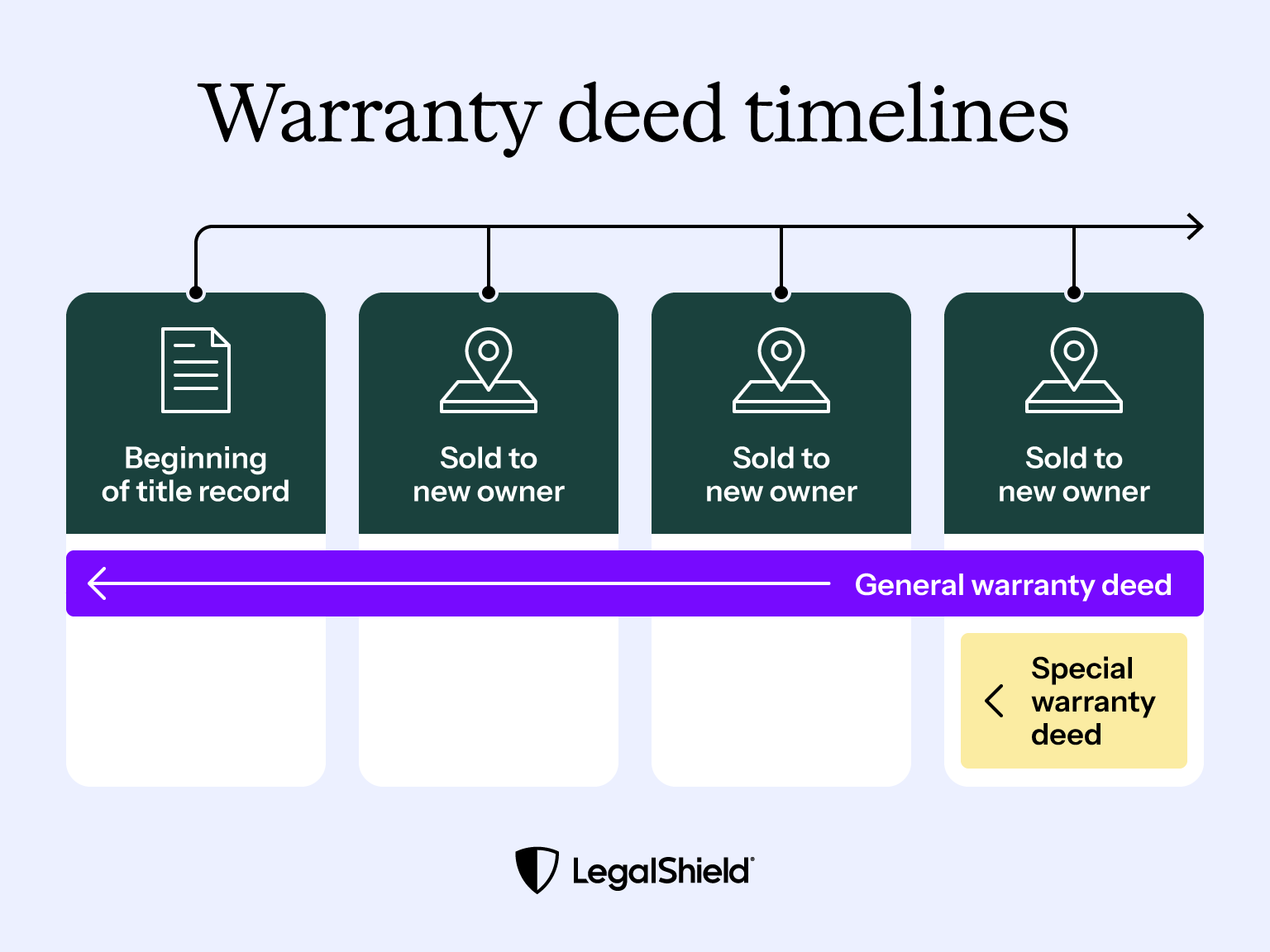
A seller who uses this deed guarantees only that the property's title was free of problems during the time they owned it. You may also see it called a limited warranty deed, and both terms refer to the same limited-coverage document.
Here's a simple way to think about it: Imagine buying a used car. The seller tells you, "I didn't damage it while I owned it." That may be true. But they aren't saying anything about the previous owners.
This deed works the same way. It sits between two other common options: a general warranty deed, which offers full protection, and a quitclaim deed, which offers almost none. Because of that, it is often called a "middle-ground" option.
You'll see it in situations where the seller lacks full knowledge of the property's history, like in commercial sales, foreclosures, and estate-related transactions. The name sounds strong, but the protection is limited.
How a special warranty deed works
With a special warranty deed, the seller makes two specific promises. First, they confirm that they legally own the property and have the right to sell it. Second, they confirm that they did not create any liens, debts, or legal claims against the property while they owned it. Those promises matter. However, they don’t often give the full picture.
The deed still transfers full ownership to you. You become the legal owner of the property. But you also take on the risk of past issues that the seller does not cover.
Old liens from previous owners
Unresolved legal claims
Errors in past title transfers
Easements that were not clearly disclosed
In other words, the deed gives you the property, but not complete peace of mind.
Special warranty deed vs. general warranty deed and quitclaim deed
To understand the risk, you need to compare this deed to the other common options. The comparison of these types of deeds below highlights the difference in protection.
A general warranty deed is considered the gold standard. It protects the buyer against title issues arising from the property's entire history. If a problem appears, the seller is responsible, even if the issue started decades ago.
A quitclaim deed offers the least protection. It transfers whatever interest the seller has, if any, without making any guarantees at all. Learn more about quitclaim deed basics. Sellers often prefer this deed type because it reduces their liability. This is especially true for banks, investors, and companies. They may not know the full history of the property, so they avoid taking responsibility for it.
Feature
General Warranty Deed
Special Warranty Deed
Quitclaim Deed
Protection level
High
Moderate
Low
Guarantee period
Full property history
Seller's ownership only
None
Seller liability
Covers all title defects
Only covers defects arising during the seller's ownership
No liability for any defects
Buyer risk
Low
Moderate
High
Common usage
Standard home sales
Foreclosures, commercial sales, estate sales
Family transfers
When you might encounter a special warranty deed
You are not likely to see every type of deed discussed in this article. The special warranty deed tends to show up in specific situations. These situations have one thing in common: the seller does not have full knowledge of the property's past.
We’ve laid out some common examples:
Foreclosed properties: Banks often sell homes they acquired through foreclosure. They were not the original owners, so they limit their responsibility.
Commercial real estate deals: Businesses aim to control risk. Using this deed helps them avoid long-term liability.
Estate sales: Executors may be selling property on behalf of someone who has passed away - estate planning guidance can help ensure the title transfer is handled correctly. They may not know the full title history. Understanding the timelines for property transfers after death matters in these situations.
New construction homes: Some builders use these deeds to limit exposure to past land issues.
In each case, the seller is setting a clear boundary. They are responsible for their time of ownership, and nothing before it. This is not necessarily a red flag, but it does mean you need to take extra steps to protect yourself, including understanding how transferring property to family members works if the transaction involves an estate or inheritance or obtaining a title search and opinion from a title company or lawyer.
Potential benefits and risks of special warranty deeds
The limited scope of special warranty deeds has advantages and drawbacks.
Benefits for sellers and buyers
There are a few reasons that sellers might use special warranty deeds, which you should understand as a buyer:
Exposure cap: The seller is not responsible for issues that occurred before they owned the property. This limits their risk and passes it on to you.
Non-occupants: Banks, investors, and companies can sell property without deep knowledge of its history.
For these reasons, you might see special warranty deeds as a red flag, but there are benefits for buyers, too, depending on the situation:
Access to high-value inventory: Many foreclosures and commercial properties use this deed structure.
Negotiation leverage: Buyers may be able to offer a lower purchase price due to increased risk.
Faster transactions: Fewer seller obligations can help speed up the closing process.
Risks to keep in mind
Careful review matters here. Without proper due diligence, a special warranty deed can expose buyers to unknown risks that turn into real financial problems.
These are some of the key concerns:
Inherited liens and encumbrances: Previous owners may have left unpaid debts tied to the property.
Competing ownership claims: Someone else could claim partial or full ownership based on past transactions.
Limited recourse against the seller: If the issue existed before their ownership, the seller is not responsible.
Easement disputes: You may discover access rights or restrictions that affect how you use the property.
Difficulties in resale or refinancing: Title issues can make it harder to sell the property or secure financing later.
Understanding the types of warranties in real estate documents can help you spot these issues before they become problems. A LegalShield® provider lawyer can also help you review the deed and flag anything that needs a closer look, which brings us to the next section.
We’ll connect you with a LegalShield Provider Law Firm that can help you identify red flags that are easy to miss. A provider lawyer can review the deed to make sure you understand what you're agreeing to before you sign.
Homes are life-changing purchases; professionals can help you move forward with confidence. Get real estate advice at each step of the process.
Common questions about special warranty deeds
Is a special warranty deed safe for a home buyer?
A special warranty deed can be safe for a home buyer, but it depends on what steps you take. Most buyers protect themselves by ordering a full title search and purchasing title insurance. These steps help uncover hidden issues and provide financial protection if something goes wrong. Without those safeguards, you are taking on more risk than you may realize.
Does a special warranty deed mean the title is clear?
No, this deed doesn't assure you that the title is clear. It only guarantees that the seller did not create title issues during their ownership. It does not confirm that the title was clear before they acquired the property. Problems from earlier owners can still exist.
Who usually pays for the title search?
Who pays for a title search is often negotiable. In many cases, the buyer pays for it because it protects their investment. Title insurance costs vary by state, but buyers typically pay a one-time fee ranging from $350 to $1,200, depending on the property and location.1 While it adds to your upfront costs, it can prevent much larger expenses later.
Content Specialist at LegalShield, creating educational resources about legal and consumer protection topics. She focuses on making complex legal and financial concepts accessible to readers and has contributed to various educational articles on consumer rights and protections.
We’ll provide more information about the trustors vs. trustees comparison, what to consider when filling these roles, and how they work together in Revocable and Irrevocable Trusts.
A power of attorney with springing powers is a legal document that grants someone else the authority to act on your behalf only after a specific event occurs.
There’s no rule that says a lawyer has to set up your Trust for it to be valid. However, Trusts are complex and doing it yourself without a lawyer's help comes with risks.
A Certificate of Trust proves your Trust is real and names who can act for it, while your beneficiaries and assets stay private. It lets your Trustee handle Trust business, like opening accounts or transferring property.
A limited power of attorney often comes in handy when you need help for a short time or for a single purpose. This legal document can help in situations like when you’re traveling, serving in the military, caring for an aging parent, or sending a child to study abroad.
We’ll cover some of the most common scams, the red flags that give them away, how to protect yourself, and what to do if you’ve already been caught out.
An executor is responsible for ensuring your final wishes get carried out, so it’s important that you choose someone who is responsible and can bear the emotional burden.
An employer identification number is a nine-digit number the IRS uses to identify a taxpayer. The estate needs its own, and getting one is usually simpler than it sounds. Learn more about estate EINs.
•
5 min read
Thank you! You're subscribed!
Oops! Something went wrong while submitting the form.






.jpg)